Powerlifting for Women: Benefits, How to Start, and Tips for Nepal

Women lifting weights -ryu

Powerlifting for Women: Benefits, How to Start, and Tips for Nepal

By Suman Gurung, Nepali Fitness Coach | Published May 02, 2025

Hey didi, ready to become a damdar woman who lifts heavy and owns the gym? If you’re in Kathmandu, Pokhara, or any corner of Nepal and searching for “strong banne exercise” or “best exercise for women gym,” powerlifting for women is your ultimate game-changer. Powerlifting—centered on the squat, bench press, and deadlift—isn’t just for men. It’s empowering Nepali women to build muscle, skyrocket confidence, and join a jhakkaas fitness community. This 2,000+ word guide, crafted by a Nepali fitness coach, dives into the benefits of powerlifting for women, how to start safely, nutrition tips, and why it’s perfect for Nepal’s gym-goers. Sabai ramro, koi tension chaina!

What is Powerlifting for Women?

Powerlifting is a strength sport where you aim to lift the heaviest weight possible in three lifts: squat, bench press, and deadlift. It’s not about looking “buff” but about building raw strength and mental grit. In Nepal, women’s powerlifting is gaining traction, with gyms in Kathmandu and Pokhara hosting female lifters who compete in local meets or just lift for fun. Unlike bodybuilding, which focuses on aesthetics, powerlifting is about performance—perfect for women who want to feel ekdam powerful.

Why’s it trending? A 2024 Nepal Fitness Association report noted a 30% rise in women joining strength sports, inspired by global stars like Amanda Lawrence (world champ, 564.3lb squat) and local heroes like Anju Gurung, Nepal’s national powerlifting medalist. Whether you’re a beginner or a gym rat, powerlifting offers badass benefits tailored for Nepali women.

7 Life-Changing Benefits of Powerlifting for Women

Powerlifting isn’t just lifting weights—it’s a lifestyle that transforms your body, mind, and confidence. Here’s why it’s the best exercise for women gym in Nepal:

  1. Increased Strength and Muscle: Powerlifting builds lean muscle and serious strength, giving you a toned, sculpted physique. Think strong glutes, defined arms, and a confident swagger!
  2. Stronger Bones: The heavy lifts boost bone mineral density, cutting osteoporosis risk—a big deal for women, especially after 30. A 2024 Nepal Health Research Council study found strength training reduces fracture risk by 20% in women.
  3. Faster Metabolism: More muscle burns more calories, even at rest. This makes weight management easier, even with Nepal’s carb-heavy dal bhat diet!
  4. Confidence and Body Positivity: Hitting a new personal record (PR) feels ekdam jhakkaas. It boosts self-esteem, fights body image stigma, and helps you embrace your strength.
  5. Stress Relief: Powerlifting releases endorphins, reducing stress and anxiety. A deadlift session after a long day is pure therapy, thik cha!
  6. Supportive Sisterhood: Nepal’s powerlifting scene, from Kathmandu’s Powerhouse Gym to Pokhara’s Muscle Factory, is a tight-knit community where women cheer each other on.
  7. Better Everyday Life: Powerlifting improves functional fitness, making tasks like carrying groceries or hiking in the Himalayas a breeze.

Want to feel unstoppable? Shop our women’s lifting gear to begin! and for more in-depth content on female powerlifting look into this Benefits of Powerlifting for Females

How to Start Powerlifting as a Woman in Nepal

New to powerlifting? No stress, bhai here’s a beginner-friendly guide to kickstart your journey in Nepal:

  1. Find a Certified Coach: Look for a powerlifting coach with experience training women. Gyms like Fit Nepal Gym (Kathmandu) or Iron Core Fitness (Pokhara) have pros who teach proper form. The Nepal Powerlifting Federation can recommend coaches.
  2. Learn Proper Technique: Master the squat, bench press, and deadlift with light weights first. Correct form prevents injuries and maximizes strength. Start with a 55lb barbell for squats/bench and 121lb for deadlifts.
  3. Follow a Beginner Program: Use a structured program (see below) to build strength gradually. Consistency beats intensity in the early days.
  4. Progressive Overload: Slowly increase weight, reps, or sets to challenge your muscles. Aim for 2.5–5lb increases weekly for steady gains.
  5. Nutrition and Rest: Fuel with high-protein Nepali foods like sattu, dal, and bhatmas. Sleep 7–8 hours for recovery (more on nutrition below).
  6. Gear Up: Start with a supportive sports bra, flat-soled shoes (e.g., Converse), and comfy gym clothes. Later, add a lifting belt, knee sleeves, and wrist wraps. Shop at Ryu Nepal or Thamel stores for affordable gear.

Pro Tip: Join a women’s powerlifting workshop in Nepal (search Ryu Nepal on Instagram) to learn from pros and meet badass lifters!

Sample Powerlifting Program for Women in Nepal

This 4-day weekly program is ideal for beginners, focusing on the big three lifts with accessory exercises to build strength. Adjust weights based on your level:

Day 1: Squat & Bench Focus

  • Squats: 3 sets of 5 reps (60–70% of 1-rep max)
  • Bench Press: 3 sets of 5 reps (60–70% of 1-rep max)
  • Accessory: Romanian Deadlifts (3×8), Overhead Press (3×8), Barbell Rows (3×10), Plank (3x30s)

Day 2: Deadlift Focus

  • Deadlifts: 1 set of 5 reps (70–80% of 1-rep max)
  • Accessory: Good Mornings (3×10), Pull-Ups (3×6 or assisted), Glute Bridges (3×12), Reverse Hypers (3×15)

Day 3: Bench & Squat Focus

  • Bench Press: 3 sets of 5 reps (65–75% of 1-rep max)
  • Squats: 3 sets of 5 reps (65–75% of 1-rep max)
  • Accessory: Dumbbell Press (3×10), Lat Pulldowns (3×12), Leg Press (3×10), Triceps Extensions (3×12)

Day 4: Light or Accessory Day

  • Light Lifts: Squat/Bench/Deadlift (2×5 at 50% max) or Accessory: Glute Bridges (3×15), Face Pulls (3×12), Bicep Curls (3×12), Calf Raises (3×15)

Note: Rest 1–2 days between sessions. Track progress with a notebook or app like Strong. Consult a coach to adjust weights, thik cha! and if you new to strength training this is a must read Strength Training for Beginners: A Complete Guide.

Nutrition for Female Powerlifters in Nepal

Powerlifting demands fuel, and Nepal’s cuisine is perfect for it! Here’s how to eat for strength and recovery:

  • Calories: Asking “how many calories should a woman lifter take”? It varies by weight, training, and goals. A 70kg woman needs ~2,100–2,450 kcal for moderate training (30–35 kcal/kg). Use MyFitnessPal or a nutritionist to customize.
  • Protein: Aim for 1.6–2.2g/kg body weight daily (112–154g for 70kg). Nepali sources: sattu shakes (~22g/100g), masoor dal (~9g/100g), bhatmas (~36g/100g), or eggs/dairy if not vegan. See our Nepali plant-based diet guide for veg options.
  • Carbs: Fuel lifts with 4–6g/kg body weight daily (280–420g for 70kg). Choose brown rice, chiura, sweet potatoes, or oats for sustained energy.
  • Fats: Include 0.8–1g/kg body weight (56–70g for 70kg) from ghee, mustard oil, nuts, or avocado for hormone health.
  • Hydration: Drink 2–3 liters of water daily, adding Himalayan salt for electrolytes during sweaty workouts.
  • Micronutrients: Eat palungo (spinach), bananas, and karkalo (taro) for vitamins/minerals. Consider a multivitamin if needed.

Sample Meal Plan (70kg woman, ~2,200 kcal):

  • Breakfast: Sattu shake (2 tbsp, ~15g protein) + 2 mung dal chillas (~10g protein) + banana
  • Snack: Roasted bhatmas (50g, ~18g protein) + apple
  • Lunch: Masoor dal bhat (1 cup dal, 1 cup rice, ~15g protein) + palungo saag (~3g protein)
  • Snack: Chana chaat with dahi (1 cup, ~9g protein)
  • Dinner: Rajma curry (1 cup, ~9g protein) + kwati soup (~10g protein) + roti
  • Post-Workout: Protein shake or boiled eggs (~20g protein)

Note: Fore more Food related content on female powerlifters look into this specially for women 5 Must Have Foods for Female Powerlifters

Debunking Myths and Concerns for Women in Powerlifting

Powerlifting can seem intimidating, especially with cultural myths in Nepal. Let’s clear the air:

  • “Will I Get Too Bulky?”: Nope, didi! Women’s lower testosterone means powerlifting builds toned, not bulky, muscles. Control calories and training to stay lean, per the Nepal Fitness Association.
  • “Is It OK to Lift on My Period?”Hajur, sakchhau! Lifting during menstruation is safe, but energy may dip. Go lighter or rest if needed—70% of women adjust training during periods without losing gains, per a 2023 Journal of Sports Science study. Wear a pad for heavy lifts, as advised by USA Powerlifting.
  • “Is Powerlifting Safe?”: With proper form and coaching, it’s super safe. Injuries are rare (less than 1% per a 2024 Nepal Gym Federation report) when technique is prioritized.
  • “Do I Need Expensive Gear?”: Start with a sports bra and flat shoes. Later, add a lifting belt (~NPR 2,000) and knee sleeves (~NPR 1,500) from Ryu Nepal or Thamel shops.
  • “Is It Only for Young Women?”: No way! Women of all ages, from 18 to 50+, lift in Nepal. Masters lifters like Jen Thompson (11x IPF champ at 44) prove age is just a number.

Join Nepal’s Women’s Powerlifting Community

Nepal’s powerlifting scene is a masala-filled community where women lift each other up. Here’s how to dive in:

  • Find a Gym: Join powerlifting-friendly gyms like Powerhouse Gym (Kathmandu) or Muscle Factory (Pokhara). Many offer women-only hours or classes.
  • Connect Online: Follow Nepali lifters like Anju Gurung (#NepalPowerlifting) or join Facebook groups like “Nepal Women’s Fitness Hub” for tips and hype.
  • Attend Competitions: Try local meets like the Kathmandu Open Powerlifting Championship. Competitions use weight classes (47kg to 84kg+), so you’ll face similar lifters. Curious about “how much should women lifters weigh”? Compete in your natural weight class—your coach can help!

Inspiration: rajani_stha01, a Kathmandu-based lifter, won silver at the 2024 Nepal Powerlifting Nationals (63kg class). Follow her on Instagram for damidami motivation!

Powerlifting Competitions for Women in Nepal

Competitions are a thrilling way to test your strength and vibe with Nepal’s lifting community. The Nepal Powerlifting Federation hosts annual meets, with weight classes from 47kg to 84kg+. Entry fees are budget-friendly (~NPR 1,000–2,000), and beginners are welcome. Start with a local meet to build confidence, then aim for nationals. Global stars like Hunter Henderson (650lb squat record) show what’s possible!

Tip: Check the oxstrengthsystem on their website or Instagram on their Instagram oxstrengthsystem for2025 event dates.

FAQs: Powerlifting for Women in Nepal

What are the benefits of powerlifting for women?

It builds muscle, strengthens bones, boosts metabolism, and skyrockets confidence—making it the best exercise for women gym to get damdar strong!

Can women lift heavy without getting bulky?

Ekdam sakchha! Powerlifting tones and strengthens without excessive bulk due to women’s natural hormones.

Is it OK to lift on my period?

Yes, but listen to your body. Light lifts or rest days are fine during periods no stress, hai!

look into this for more information usapowerlifting for women.

How do I find a powerlifting coach in Nepal?

Visit gyms in Kathmandu/Pokhara or contact the oxstrengthsystem for certified coaches who train women.

What’s the minimum weight to start powerlifting?

You need to lift 55lb (squat/bench) and 121lb (deadlift) to compete, but beginners can start with an empty barbell. Look into nasm for more info.

Become a Powerlifting Queen in Nepal

Powerlifting for women is more than a sport—it’s a movement empowering Nepali women to be strong, confident, and unstoppable. From Kathmandu’s gyms to Pokhara’s lifting hubs, grab a barbell, join the sisterhood, and start your dami journey today. With our tips, program, and nutrition guide, you’re ready to lift like a boss, chito!

Start strong! Shop women’s lifting gear  to crush it!

Related Posts

About the Author: Suman Gurung is a certified fitness coach based in Kathmandu with over 10 years of experience training Nepali women in powerlifting and strength sports. She’s a member of the Nepal Powerlifting Federation and passionate about empowering women through fitness.

Ryu Nepal is trusted by over 1,500 gym-goers across Nepal for premium gym gear and expert fitness advice. Learn more about our mission to transform Nepal’s fitness scene.

5 Benefits of Powerlifting for Females

5 Benefits of Powerlifting for Females: Strength, Confidence & Health -ryunepal

Estimated Reading Time: 1-2 minutes

5 Benefits of Powerlifting for Females: Strength, Confidence & Health

Powerlifting is more than just lifting heavy weights—it is a path to strength, confidence, and improved overall health. Many women hesitate to try powerlifting due to misconceptions, but the reality is that it offers numerous physical and mental benefits.

This article explores the 5 key benefits of powerlifting for females and how it can transform your fitness journey.

1. Builds Strength Without Adding Bulk

A common concern among women is that lifting heavy weights will make them look bulky. However, this is a myth. Powerlifting helps develop lean, toned muscles without excessive muscle mass.

  • Women have lower testosterone levels, making it difficult to gain significant muscle size.
  • Powerlifting enhances muscle definition while increasing overall strength.
  • Strength gained from powerlifting makes daily tasks easier, from carrying groceries to lifting children.

Many female powerlifters develop a strong, athletic physique without appearing overly muscular. The focus is on functional strength rather than size.

2. Boosts Metabolism and Fat Loss

Powerlifting is one of the most effective ways to increase metabolism and burn fat. Unlike traditional cardio, strength training creates a long-term impact on fat loss.

  • Increases resting metabolic rate: More muscle mass leads to higher calorie burn throughout the day.
  • Post-exercise calorie burn: Strength training triggers excess post-exercise oxygen consumption (EPOC), meaning the body continues to burn calories even after the workout is over.
  • Improves body composition: Instead of simply losing weight, powerlifting helps reduce body fat while preserving lean muscle.

Studies have shown that women who lift weights burn more fat compared to those who only do cardio. This makes powerlifting an excellent choice for sustainable weight management.

3. Strengthens Bones and Prevents Injuries

Women are at a higher risk of developing osteoporosis and bone-related issues as they age. Powerlifting plays a crucial role in improving bone health and overall joint stability.

  • Increases bone density, reducing the risk of osteoporosis.
  • Strengthens joints and ligaments, lowering the chances of injury.
  • Improves posture and core stability, which helps reduce back pain and enhances overall body alignment.

Regular strength training has been proven to increase bone mineral density, making powerlifting an effective strategy for long-term health. Check this in depth research on effects of strength training on bones here.

4. Enhances Mental Health and Confidence

Powerlifting is not just about physical strength—it also has a significant impact on mental resilience and self-confidence.

  • Boosts mood by releasing endorphins, reducing stress, anxiety, and depression.
  • Builds self-confidence as women achieve new personal records and overcome challenges.
  • Encourages a performance-based mindset, shifting the focus from weight loss to strength and capability.

Many women report that powerlifting has helped them develop mental toughness, overcome self-doubt, and feel more empowered in their daily lives.

5. Creates a Supportive and Empowering Community

Powerlifting is more than just a workout; it is a community-driven sport where women encourage and support each other.

  • Powerlifting gyms and groups provide an inclusive and motivating environment.
  • Women of all experience levels can participate, making it accessible to beginners.
  • Many find a sense of camaraderie and motivation in powerlifting communities.

Having a supportive network helps stay consistent, improve performance, and enjoy the process, making powerlifting a sustainable fitness choice.

How to Start Powerlifting as a Woman

For those interested in reaping the benefits of powerlifting, here are some steps to get started:

  • Master the foundational lifts: Squat, bench press, and deadlift.
  • Work with a coach (if possible) to learn proper technique and avoid injuries.
  • Train consistently: Aim for three to four sessions per week with progressive overload.
  • Follow a balanced diet that supports muscle recovery and performance.

For a comprehensive guide on powerlifting for women, read our Powerlifting for Women – A Complete Guide.

Conclusion

Powerlifting is a transformative fitness journey that helps women build strength, improve health, and gain confidence. Unlike common misconceptions, it does not make women bulky but instead enhances lean muscle definition and overall wellness.

Whether the goal is fat loss, strength building, or mental empowerment, powerlifting offers lasting benefits.

Start today and discover the strength you never knew you had.

Strength Training in Nepal: Your Ultimate Guide to Getting Stronger

Strength Training in Nepal

Strength Training in Nepal

1. Introduction to Strength Training in Nepal

Strength training is one of the most effective ways to improve your overall health, build muscle, and increase strength. In Nepal, strength training is gaining popularity as more people realize its health benefits. Whether you’re looking to increase muscle mass, enhance your fitness, or simply get stronger, strength training is a key part of achieving your goals.

In this guide, we’ll cover everything you need to know about strength training in Nepal, including workouts, gyms, and common mistakes to avoid.


2. Why Strength Training is Essential for Fitness

Strength training is a vital part of any fitness routine. Here’s why it should be part of your workout plan:

  • Increases Muscle Mass: Strength training helps increase lean muscle mass, which boosts metabolism and makes it easier to maintain a healthy weight.
  • Boosts Metabolism: With more muscle, your body burns more calories, even when you’re not working out.
  • Strengthens Bones: Regular strength training helps increase bone density, which can prevent osteoporosis.
  • Improves Mental Health: Strength training has been shown to reduce stress and improve mood by releasing endorphins.

Note: To learn more about strength training for women, check out our blog post on Strength Training for Beginners.


3. Top Strength Training Workouts for Beginners

When starting strength training, it’s essential to focus on exercises that work multiple muscle groups. Here are some of the best beginner-friendly strength training exercises:

3.1 Squats

Squats are a compound exercise that targets your quads, hamstrings, and glutes. It’s one of the most effective exercises for building lower-body strength.

3.2 Push-Ups

Push-ups are excellent for building upper-body strength, targeting the chest, shoulders, and triceps. Start with modified push-ups if needed and gradually progress.

3.3 Deadlifts

Deadlifts work the back, core, and legs. They are great for developing functional strength and overall muscle mass.

3.4 Bench Press

This exercise works the chest, shoulders, and triceps. It’s a fundamental movement in strength training that targets the upper body.

3.5 Planks

Planks help build core strength and improve posture. They’re a great accessory exercise to add to your routine.

Note: Read more on why strength training for Women in Nepal is necessary here.


4. Best Gyms for Strength Training in Nepal

Choosing the right gym is essential to achieving your strength training goals. Here are some of the best gyms in Nepal that cater to strength training:

  1. Gold’s Gym Nepal – Offers state-of-the-art equipment and experienced trainers who specialize in strength training.
  2. OxStrength Training Ground – Specializes in functional training and offers personalized coaching.
  3. RageFitness – Equipped with free weights, strength training machines, and a variety of fitness programs.
  4. ThePump – A great place to combine strength training with functional movements and conditioning exercises.

5. How Often Should You Train for Maximum Strength?

The frequency of your strength training depends on your fitness level and goals. Here’s a basic guideline:

  • 2-3 times per week: This is ideal for beginners who are focusing on general fitness.
  • 4-5 times per week: Best for intermediate and advanced lifters targeting specific muscle groups.
  • Rest and Recovery: Ensure adequate rest between workouts targeting the same muscle group to promote muscle recovery.

6. Common Mistakes to Avoid in Strength Training

Avoiding common mistakes is essential for maximizing your progress and preventing injuries. Here are a few mistakes to steer clear of:

  • Ignoring Form: Always use proper form to avoid injuries and maximize the effectiveness of your exercises.
  • Skipping Warm-Ups: Warming up properly prepares your muscles for the workout and reduces the risk of injury.
  • Overtraining: Training too often without sufficient rest can lead to fatigue and overuse injuries.
  • Neglecting Recovery: Your muscles grow during recovery, not while you’re lifting weights, so don’t overlook the importance of rest days.

Note: For more on avoiding mistakes in your workouts, visit our Common Gym Mistakes blog.


7. Frequently Asked Questions About Strength Training

7.1 Can Women Benefit from Strength Training?

Yes! Strength training is incredibly beneficial for women. It helps with muscle toning, boosts metabolism, and strengthens bones.

7.2 Is Strength Training Safe for Beginners?

Absolutely! When done with proper form and the right intensity, strength training is safe and effective for beginners.

7.3 How Long Does It Take to See Results?

With consistency, you should start seeing noticeable results in about 4-6 weeks.

Note: To learn more about starting your strength training journey, visit our Beginner Strength Training Guide.


Conclusion: Start Your Strength Training Journey Today

Strength training is an essential part of any fitness routine. Whether you are looking to build muscle, enhance your metabolism, or improve your overall health, strength training can help you achieve your goals. With the right knowledge, equipment, and commitment, you can transform your fitness journey.

Call to Action: Ready to start lifting? Visit Ryu Nepal for tailored training programs and expert advice to help you reach your strength training goals.

Best Gym Belt in Nepal: A Guide to Choosing the Perfect Belt for Your Fitness Goals

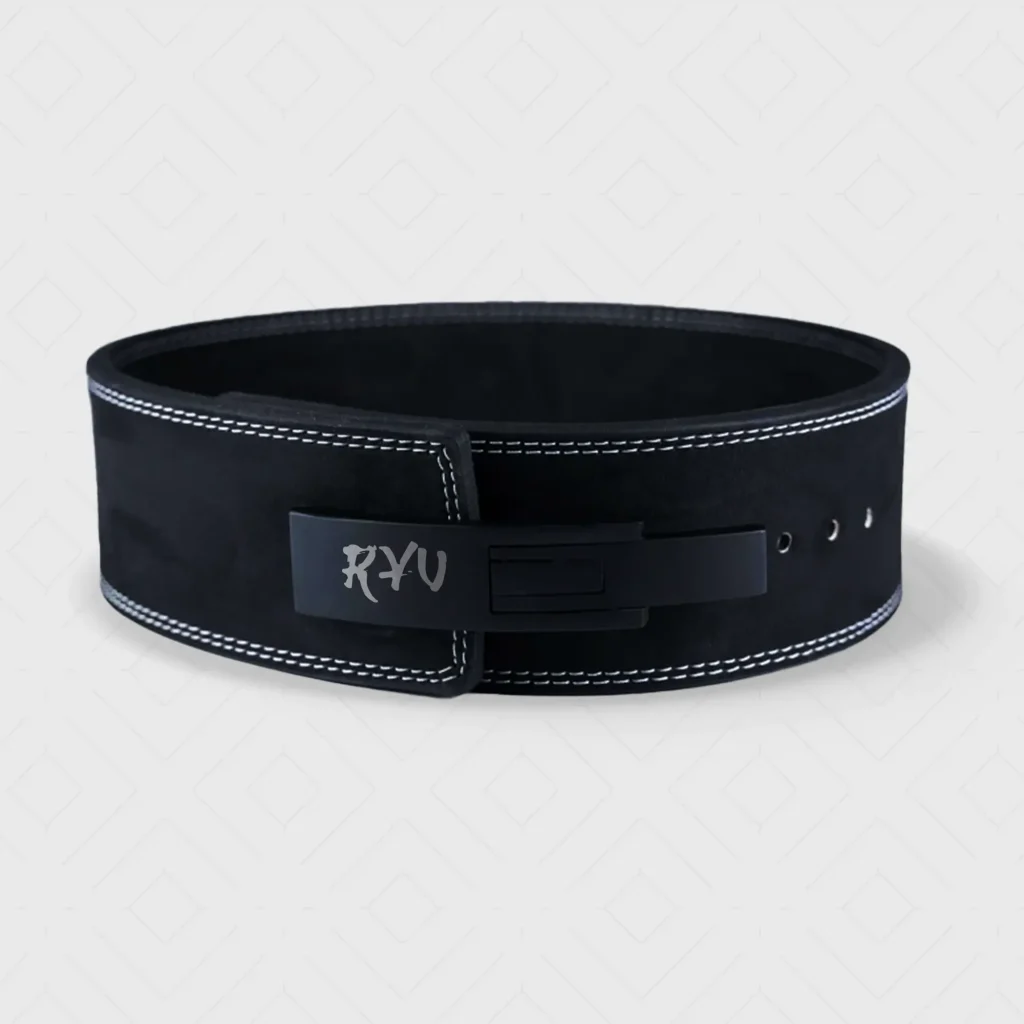
Ryu nepal lever belt

Best Gym Belts in Nepal

Whether you’re hitting personal records in squats or perfecting Olympic lifts, a gym belt can make all the difference. But how do you choose the best gym belt in Nepal for your needs?

This guide breaks down the three most common types of gym belts powerlifting, weightlifting, and training belts their benefits, and how to pick the perfect one. Plus, we’ll highlight some of the top-quality belts available in Nepal to help you lift with confidence and safety.

Note: If you are a beginner this is the most recommend read Strength Training for Beginners Guide.

Why You Need a Gym Belt

Before we dive into the best types of gym belts, let’s talk about why they’re essential. Gym belts:

  • Provide core and lower back support, reducing the risk of injury.
  • Help increase intra-abdominal pressure, improving strength and stability.
  • Enhance confidence, allowing you to lift heavier safely.

Whether you’re a beginner or a seasoned lifter, investing in the best gym belt in Nepal can transform your training sessions.

Top 3 Gym Belts in Nepal

Here are the top recommendations for gym belts in Nepal, catering to different needs:

1. Lever Belt (Powerlifting Belt)

  • Why It’s Great: This heavy duty leather belt is built for powerlifters. The lever mechanism ensures a snug fit and easy adjustment, making it perfect for squats, deadlifts, and bench presses.
  • Who It’s For: Serious lifters aiming for maximum stability and support.
  • Additional Tips: Ensure you check the lever mechanism’s durability and the thickness of the belt to match your lifting needs. A thicker belt often provides better stability for heavy lifts.
RYU Leather Weightlifting Belt
RYU Leaver Belt.

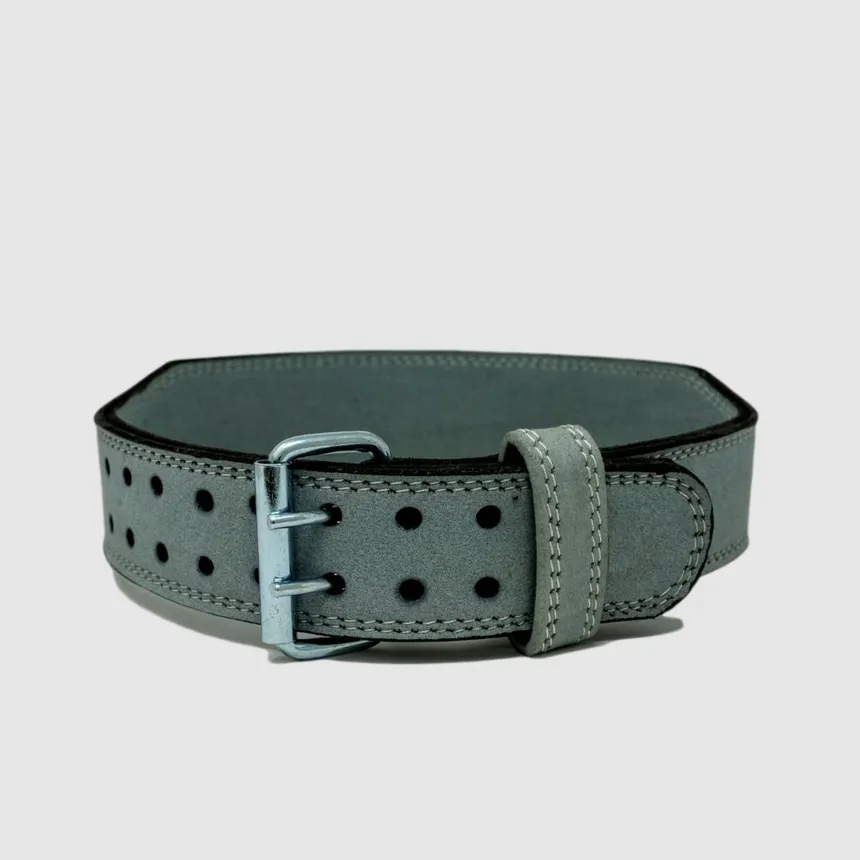
2. Weightlifting Belt

  • Why It’s Great: Lightweight and flexible, this belt is ideal for Olympic lifts and dynamic movements.
  • Who It’s For: Athletes who need mobility and moderate support.
  • Additional Tips: Look for belts with a tapered design that offers freedom of movement while still providing adequate back support during explosive lifts.
RYU Lever Belt - Weightlifting Support Belt.
Weightlifting Belt

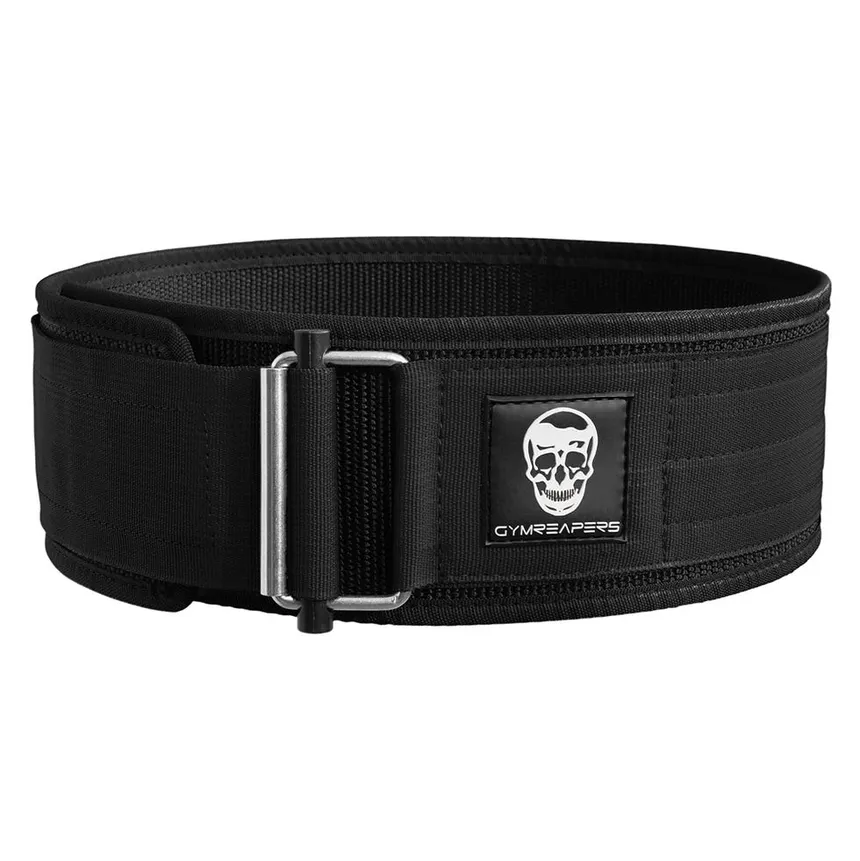
3. Basic Training Belt

  • Why It’s Great: Affordable and versatile, this belt is perfect for beginners and those performing general strength training. It offers decent support without being overly stiff or bulky.
  • Who It’s For: Gym goers looking for a reliable, all purpose belt.
  • Additional Tips: Beginners should prioritize comfort and ease of use. Opt for a belt with adjustable buckles for quick size
Black Weightlifting Belt for Men and Women
Basic Belt

How to Choose the Best Gym Belt for You

When shopping for a gym belt in Nepal, consider the following:

  1. Purpose: Are you lifting heavy or performing dynamic movements?
  2. Material: Leather for durability, nylon for flexibility.
  3. Fit: Ensure it fits snugly around your waist without discomfort.
  4. Adjustability: Lever belts for quick changes, prong belts for precision, and velcro belts for ease.

Where to Buy the Best Gym Belts in Nepal?

Finding high quality gym belts in Nepal can be challenging, but trusted brands like RYU Nepal offer premium options. Whether you need a lever belt for powerlifting or a lightweight belt for general training, you can explore a variety of choices online or in-store.

Final Thoughts

A gym belt is more than just a piece of equipment—it’s a commitment to safety and performance. By understanding the different types of belts and their uses, you can make an informed decision that enhances your lifting experience. Whether you’re a beginner or a seasoned lifter, the right belt can help you push your limits and achieve your fitness goals.

Explore the best gym belts in Nepal today and take your training to the next level! For more fitness tips and insights, check out our blog on 5 Best Nepali Foods to Lose Weight. Follow our page ruynepal in instagram for the best gears in Nepal.

Note: For our Female lifter this is the must read Powerlifting for women.