Health Benefits of Running vs Sprinting in Nepal: 2025 Guide

Health Benefits of Running vs Sprinting in Nepal: 2025 Guide

Run or Sprint Your Way to Fitness in Nepal’s Himalayan Trails

Health Benefits of Running vs Sprinting in Nepal: 2025 Guide

By Suman Gurung · June 1, 2025

Namaste! I’m Suman Gurung, a Kathmandu-based fitness coach certified by the Nepal Fitness Association, empowering 50+ Nepali women to embrace fitness. Running Nepal’s trails, from Shivapuri’s forests to Pokhara’s lakeside, feels like chasing Himalayan dreams. In 2025, Nepal’s running scene is thriving, with events like the Kathmandu Marathon inspiring thousands. But what are the health benefits of running, and how does running vs sprinting compare? This guide explores the benefits, differences, and beginner tips for Nepali runners, backed by WHO health insights. For more, check my women’s powerlifting guide at Ryu Nepal.

Health Benefits of Running in Nepal

Running, or “दौडने” in Nepali, suits Nepal’s active culture, where we trek hills and dodge Kathmandu traffic. Backed by WHO, running transforms health:

  • Heart Health: Cuts heart disease risk by 30–45%. My client Anita, 28, lowered her heart rate from 80 to 65 bpm in 6 months, per Nike’s running insights.
  • Weight Loss: Burns 300–600 calories/hour, ideal for balancing dal-bhat diets.
  • Mental Clarity: Reduces depression by 20–30%. Jogging Shivapuri lifts my mood, like a Himalayan sunrise.
  • Bone Density: Boosts bone strength by 1–2%, per Strava’s running community.
  • Longevity: Adds 3–7 years to life, per WHO.

Running builds stamina for Nepali life, like carrying water up hills. Track your runs with Strava to stay motivated.

Running vs Sprinting: Key Differences

Running and sprinting both get you moving, but their intensity and goals differ. Here’s a comparison, inspired by Nike’s training tips:

AspectRunningSprinting
PaceSteady, 5–10 km/hHigh-intensity, 15–30 km/h
Duration20–60+ minutes10–30 seconds
GoalEndurance, fat lossSpeed, power
Calories300–600/hour100–200/minute
Beginner EaseHigh, low impactModerate, high impact
Injury Risk~5%~7–10%

Running: Benefits and Tips for Nepali Beginners

Running is steady, like jogging Tundikhel, building endurance. It’s perfect for Nepal’s trails and beginners.

Why Run in Nepal?

  • Free and Accessible: No gym needed—just hit Shivapuri or Pokhara trails, per Nepal Tourism Board.
  • Endurance: Boosts stamina by 20–30%. My client Sunita, 30, ran 5km in 3 months.
  • Stress Relief: Lowers cortisol by 15–20%, per WHO.
  • Cultural Fit: Like trekking Annapurna, running is Nepali resilience.

Beginner Tips

  • Jog 10–15 minutes, 3 days/week.
  • Buy cushioned shoes from Nike or Bhat-Bhateni (~NPR 5,000).
  • Run flat trails like Tundikhel to avoid strain.

Cross-train with my Nepali strength training guide.

Sprinting: Benefits and Tips for Nepali Beginners

Sprinting is intense, like racing for a Kathmandu microbus, boosting power and speed.

Why Sprint in Nepal?

  • Fat Burning: Burns 100–200 calories/minute, per Strava.
  • Muscle Power: Increases leg strength by 10–15%.
  • Quick Workouts: 10-minute sessions fit busy Nepali schedules.
  • Nepali Energy: Like Dashain kite races, sprinting sparks joy.

Beginner Tips

  • Do 10-second sprints, 4–6 reps, 2 days/week.
  • Warm up with leg swings.
  • Use Dasarath Stadium’s track for safety.

Running vs Sprinting for Nepali Beginners

Which suits Nepal’s runners? Here’s the breakdown:

Health Benefits

Running: Enhances endurance and heart health. Priya, 45, lost 5kg running Tundikhel.
Sprinting: Boosts power and fat burning. Anita sprinted for football speed.

Ease for Beginners

Running: Easier, low impact. Beginners hit 5km in 8–12 weeks.
Sprinting: Tougher, needs warm-ups to avoid strains.

Safety

Running: ~5% injury rate (e.g., shin splints).
Sprinting: ~7–10% (e.g., hamstring pulls), per Nike.

Women’s Health

Running: Eases PMS and balances hormones. My female clients prefer it.
Sprinting: Boosts testosterone for muscle, needs rest. See women’s powerlifting guide.

Running Culture and Trails in Nepal

Nepal’s running culture shines, with the Kathmandu Marathon and Pokhara runs drawing crowds. Trails mirror Himalayan treks—enduring and scenic. Top spots, per Nepal Tourism Board: – Shivapuri National Park: 5–10km forested trails. – Pokhara Lakeside: 2–5km flat paths by Phewa Lake. – Kathmandu’s Tundikhel: 1–2km urban loops.

Local Tip: Join Nepal Running Club (~NPR 700/month) or marathon meetups. My strength training guide adds cross-training.

5-Step Plan to Start Running in Nepal

Ready to run Nepal’s trails? My beginner plan:

  1. Start Easy: Jog 10–15 minutes, 3 days/week, on Tundikhel.
  2. Gear Up: Get Nike shoes (~NPR 5,000) from Bhat-Bhateni.
  3. Build Stamina: Add 5 minutes weekly, targeting 30-minute runs in 8 weeks.
  4. Eat Smart: Fuel with dal, eggs, and hydrate, per WHO.
  5. Track Runs: Use Strava. Sunita hit 10km in 3 months.

CTA: Get my free 4-week running plan at Ryu Nepal.

FAQs: Running vs Sprinting in Nepal

What are the health benefits of running in Nepal?
Running improves heart health, burns fat, and boosts mental well-being, perfect for Nepal’s lifestyle.

What’s the difference between running and sprinting?
Running is steady for endurance; sprinting is high-intensity for speed.

Is running or sprinting better for beginners in Nepal?
Running is ideal for beginners due to its accessibility on Nepal’s trails.

Where are the best running trails in Nepal?
Shivapuri National Park, Pokhara Lakeside, and Tundikhel are top spots.

How can Nepali women start running safely?
Begin with 10-minute jogs, wear Nike shoes, and follow my tips.

Run Nepal Strong in 2025

Running vs sprinting in Nepal? Running builds Himalayan endurance; sprinting ignites Dashain energy. Both deliver health benefits of running, from heart health to joy. Start with my 5-step plan, join the Kathmandu Marathon, and explore trails via Nepal Tourism Board. Check my women’s powerlifting guide or strength training guide

Powerlifting vs Weightlifting: Key Differences in 2025

Powerlifting vs Weightlifting: Key Differences in 2025

Confused about powerlifting vs weightlifting? Here’s what you need to know

By Suman Gurung · May 14, 2025

Namaste! I’m Suman Gurung, a Kathmandu-based coach who’s empowered 50+ Nepali women to lift heavy. When I started powerlifting in 2018, I squatted 80kg, hearing, “Lifting’s for men!” By 2025, I’m squatting 120kg, and women across Nepal are joining me, inspired by strength sports. But a question I get weekly is: powerlifting vs weightlifting—what’s the difference? Both involve barbells, but they’re distinct in goals, lifts, and vibe. Whether you’re a beginner in Pokhara or a gym-goer in London, this guide breaks down the difference between powerlifting and weightlifting, their benefits, and which suits women in 2025. For more, see my women’s powerlifting guide at Ryu Nepal.

Powerlifting vs Weightlifting: At a Glance

Powerlifting and weightlifting are strength sports, but their focus and execution differ. Here’s a quick comparison, backed by NIH research on lifting benefits:

AspectPowerliftingWeightlifting
LiftsSquat, Bench Press, DeadliftSnatch, Clean and Jerk
GoalMaximal strength (1-rep max)Explosive power and technique
TrainingHeavy weights, low reps (3–5)Moderate weights, high reps (1–3)
Skill LevelEasier for beginnersRequires advanced technique
CompetitionsTotal weight across 3 liftsTotal weight of 2 lifts
Injury Rate~1%, per BarBend~2–3%, due to dynamic lifts

What Is Powerlifting?

Powerlifting is about raw strength. You aim to lift the heaviest weight possible in three lifts: squat, bench press, and deadlift. Each tests a muscle group—legs, chest, back with one attempt per lift in competitions, per Mayo Clinic. I’ve coached women in Kathmandu to deadlift 100kg in 6 months, building confidence and bone density (1–3% denser, per Harvard Health).

Why Choose Powerlifting?

  • Beginner-Friendly: Simpler lifts, like squats, are easier to learn than weightlifting’s snatch.
  • Strength Gains: Lift 10–20% heavier in 12 weeks, per BarBend.
  • Confidence: Women report 30% higher self-esteem, per CDC.
  • Nepali Fit: Like hauling rice sacks, powerlifting builds functional strength for daily life.

My client Anita, 28, went from bodyweight squats to a 100kg deadlift, feeling damdar. Learn about the importance of supplements for women lifters as well.

What Is Weightlifting?

Weightlifting, or Olympic weightlifting, is about explosive power. It features two lifts: snatch (barbell from ground to overhead in one move) and clean and jerk (barbell to shoulders, then overhead). These demand speed, coordination, and technique, per Mayo Clinic. In Nepal, weightlifting is gaining traction, with gyms like Iron Pulse offering classes.

Why Choose Weightlifting?

  • Power and Agility: Improves explosive strength by 15–20%
  • Full-Body Workout: Engages every muscle, burning ~10% more calories than powerlifting.
  • Athletic Edge: Enhances sports performance, ideal for cross-training.
  • Nepali Pride: Like dancing at Dashain, weightlifting blends grace and power.

My client Sunita, 32, mastered the snatch in 8 months, boosting her gym confidence.

Powerlifting vs Weightlifting for Women

Women in Nepal and beyond are flocking to strength sports, but which is better? Here’s how they stack up, based on my coaching:

Goals and Benefits

Powerlifting: Ideal for maximal strength and confidence. It’s like climbing Nepal’s hills—steady, powerful effort. Women gain 1–3% bone density and burn 5–10% more calories at rest.
Weightlifting: Suits those craving explosive power and athleticism. It’s like sprinting to a Kathmandu market—fast and dynamic. Improves coordination and metabolism.

Ease of Learning

Powerlifting: Easier, with straightforward lifts. My clients learn squats in 2–3 sessions.
Weightlifting: Tougher, requiring 6–12 months for snatch mastery.

Safety

Powerlifting: ~1% injury rate with proper form, safer than running.
Weightlifting: ~2–3% injury rate due to dynamic lifts, but safe with coaching, per Mayo Clinic.

Women’s Health

Both sports empower women, but consider:
– Periods: Powerlifting allows lighter lifts (70–80% max) during low-energy phases. Weightlifting’s intensity may need more adjustment.
– Hormones: Both boost testosterone slightly, aiding gains, per NIH.
– Joints: Fish oil (1,000mg daily) reduces soreness for both, as my clients report.

My Nepali clients, like Priya (45, 70kg bench), thrive in powerlifting for its simplicity, while Sunita loves weightlifting’s flair.

Powerlifting and Weightlifting in Nepal

In Nepal, strength sports are booming. Gyms like Iron Pulse in Kathmandu offer powerlifting racks and weightlifting platforms. The Nepal Powerlifting Association hosts meets, while weightlifting gains Olympic buzz. Both sports resonate with Nepali women, who carry heavy loads daily—like water jugs up hills. My Nepali strength training guide has home workout tips for beginners.

Local Tip: Join a gym or Nepal Fitness Association event. I coach virtually at Ryu Nepal to help women start.

Which Should You Choose in 2025?

Choose Powerlifting If:
– You want maximal strength and simpler lifts.
– You’re a beginner or prioritize confidence and bone health.
– You love steady progress, like Nepal’s mountain treks.

Choose Weightlifting If:
– You crave explosive power and athleticism.
– You’re ready for a technical challenge.
– You vibe with dynamic moves, like Dashain dances.

Can’t decide? Try both! Many of my clients mix powerlifting’s squats with weightlifting’s cleans for a hybrid approach. Start with my women’s powerlifting guide or strength training guide.

How to Start Powerlifting or Weightlifting

Ready to lift? Follow these steps, tailored for Nepal:

  1. Learn the Lifts: Start with bodyweight squats (powerlifting) or PVC pipe snatches (weightlifting). Add 2.5–5kg weekly.
  2. Find a Gym: Join Iron Pulse or train at home (see my strength training guide).
  3. Follow a Program: Use StrongLifts 5×5 for powerlifting or Catalyst Athletics for weightlifting (3 days/week).
  4. Eat for Strength: Get 1.6–2.0g protein/kg body weight via dal, eggs, or whey, per Harvard Health.
  5. Track Progress: Log lifts in an app. My client Sunita hit a 90kg deadlift in 6 months.

FAQs: Powerlifting vs Weightlifting

What’s the difference between powerlifting and weightlifting?
Powerlifting focuses on maximal strength with squat, bench press, and deadlift. Weightlifting emphasizes explosive power with snatch and clean and jerk.

Is powerlifting or weightlifting better for women?
Powerlifting suits strength-focused women; weightlifting is ideal for explosive power. Both build confidence and health, as I’ve seen in Nepal.

Can beginners do powerlifting or weightlifting?
Yes! Powerlifting is easier with simpler lifts. Weightlifting needs more technique but is accessible with coaching.

Which is safer: powerlifting or weightlifting?
Both are safe with proper form. Powerlifting has lower injury rates (~1%), per research.

How do I start powerlifting or weightlifting in Nepal?
Join a gym like Iron Pulse and follow a beginner program. Check my guides at Ryu Nepal.

Lift Your Way in 2025

Powerlifting vs weightlifting? Both empower you to be damdar. Powerlifting builds raw strength, like Nepal’s mountains; weightlifting sparks explosive power, like Dashain dances. In 2025, women from Kathmandu to California are lifting heavy. Start with my 5-step plan, and explore my women’s powerlifting guide or Nepali strength training guide

Best Supplements for Women Powerlifters in 2025: A Nepali Coach’s Guide

Best Supplements for Women Powerlifters in 2025 A Nepali Coachs Guide

By Suman Gurung, Nepali Fitness Coach | Published May 07, 2025

Namaste! I’m Suman Gurung, a Kathmandu-based fitness coach helping women squat, bench, and deadlift their way to improve their (powerful) lives. As a powerlifter who hit a 150kg squat in 2024, I know supplements can make or break your PRs. But for women powerlifters, it’s not just about creatine or protein; our hormones, periods, and lower testosterone demand a smarter approach. In Nepal, where fatty fish or red meat aren’t always on the plate, supplements fill critical gaps. Drawing on my coaching and NIH research, I’ve picked the best supplements for women powerlifters to boost strength, recovery, and joint health in 2025. Want a Nepali twist? Pair these with my Best Nepali Food to Lose Weight guide.

Why Women Powerlifters Need Supplements

Powerlifting squat, bench, deadlift pushes your body to the limit. Women face unique challenges: menstrual cycles sap iron, lower testosterone slows muscle gains, and heavy lifts stress joints. A 2025 Harvard Health report shows women need 1.4–2.0g protein/kg body weight for muscle repair, but diet alone (especially in Nepal) often falls short. Supplements like creatine or fish oil, backed by BarBend, give you an edge—think 5–10% more strength or faster recovery. My client Anita deadlifted 150kg after adding fish oil and zinc. But beware: only use IPF-compliant, NSF-certified brands to avoid banned substances.

1. Creatine Monohydrate: Your Strength Booster

Creatine is like Nepal’s dal bhat—essential for energy. It fuels ATP for explosive lifts, adding 5–15% to strength, per Mayo Clinic. Women benefit from 3–5g daily, with no need for a loading phase. I added creatine in 2023 and squatted 10kg heavier in weeks. It’s safe, cheap (~NPR 2,000/kg on Daraz), and IPF-approved, but drink extra water to avoid bloating.

Dosing: 3–5g post-workout or anytime daily. Mix with juice for absorption.

Tip: Buy NSF-certified brands like Optimum Nutrition to avoid fakes.

2. Whey Protein: Recovery Rocket

Whey protein repairs muscles fast, vital for women hitting 4–5 sessions weekly. A 20g scoop (100–120 calories, 20g protein) post-workout boosts protein synthesis by 20%, per NIH. In Nepal, where chicken is pricey, whey is a budget-friendly fix (~NPR 4,000/kg). My client Priya recovered 20% quicker with whey. Choose isolates for low lactose if sensitive.

Dosing: 20–30g post-workout or as a snack. Blend with milk or water.

Tip: Try MuscleTec or Nitro-Tech for high protein, available online.

3. Fish Oil: Joint and Hormone Hero

Powerlifting hammers joints, and women’s lower collagen makes us prone to pain. Fish oil’s omega-3s (1,000mg EPA/DHA daily) reduce inflammation and tendonitis, per Mayo Clinic. It also improves insulin sensitivity, aiding fat loss. In Nepal, fish oil replaces scarce fatty fish. My deadlift form improved with less knee pain after fish oil.

Dosing: 1,000–2,000mg with meals, twice daily.

Tip: Nordic Naturals (NSF-certified) is reliable, order via Amazon.

4. Multivitamin with Iron: Women’s Health Must

Periods zap iron, and low levels tank energy for lifts, per CDC. A multivitamin with iron (18mg), zinc (8mg), and vitamin D (600 IU) supports hormones and bone health. I fixed my fatigue with a multi, hitting a 90kg bench. Nepali women often lack vitamin D due to indoor lifestyles—supplement it!

[](https://themultitaskingwoman.com/best-powerlifting-diet-supplements-for-women/)

Dosing: 1 tablet daily with breakfast.

Tip: Centrum Women or One A Day Women’s, available on Daraz.

5. Caffeine: Pre-Workout Power

Caffeine (100–200mg, like a strong coffee) boosts focus and strength by 3–5%, per BarBend. It’s IPF-legal but avoid over 300mg to prevent jitters or sleep issues, common in women. I take 150mg before heavy squats for laser focus. In Nepal, pre-workouts are pricier, so try caffeine pills (~NPR 1,000).

Dosing: 100–200mg 30–45min pre-workout. Skip on rest days.

Tip: C4 Pre-Workout (NSF-certified) or caffeine pills from HealthKart.

Sample Supplement Stack for Women Powerlifters

Here’s my go-to stack for Nepali women lifting heavy:

SupplementTimingDoseBenefit
CreatinePost-workout3–5gStrength, endurance
Whey ProteinPost-workout20–30gMuscle repair
Fish OilWith meals1,000mg x2Joint health, fat loss
MultivitaminBreakfast1 tabletHormones, energy
CaffeinePre-workout100–200mgFocus, power

Cost: NPR 10,000–18,000/month (buy in bulk).

Tip: Pair with my Ultimate Guide to Strength Training in Nepal for max gains.

Safety and IPF Compliance

Powerlifting is clean—stick to IPF rules. Check banned substance lists at IPF. Use NSF-certified supplements to avoid contamination (e.g., pseudoephedrine in cold meds). Women: watch caffeine (jitters) and iron (overdosing risks). Consult a doctor, especially if pregnant or on meds. My client avoided a ban by switching to NSF-certified creatine.

Nepali Powerlifting Tips

In Kathmandu, supplements are a game-changer due to dietary gaps:

  • Shop Smart: Order NSF-certified brands on Daraz or Amazon India to avoid fakes.
  • Budget Hack: Buy creatine and whey in bulk (2kg tubs save 20%).
  • Diet First: Pair supplements with protein-rich foods see my Nepali Protein food guide.
  • Rest Up: Sleep 7–8 hours; no supplement beats recovery.

FAQs: Supplements for Women Powerlifters

What supplements help women powerlifters lift heavier?

Creatine boosts strength, whey protein aids recovery, and fish oil reduces joint pain. I’ve seen clients add 10–20kg to their lifts with these.

Are supplements safe for women powerlifters?

Yes, if IPF-compliant and third-party tested (e.g., NSF-certified). Always consult a doctor to avoid side effects like caffeine jitters.

What’s the best supplement for women’s recovery?

Whey protein post-workout repairs muscles fast. My clients recover 20% quicker with 20g daily, paired with sleep and nutrition.

Do women powerlifters need different supplements than men?

Yes, women benefit from iron, zinc, and vitamin D for hormonal health and periods, which men need less. I tailor stacks for my female clients.

Lift Heavy, Live Strong

Supplements like creatine, whey, and fish oil are your allies for crushing PRs and recovering fast. As a Nepali woman powerlifter, I’ve seen them transform my lifts and my clients’ lives. In 2025, combine these with solid nutrition (check my Nepali food guide) and training (see my strength training guide for wpmen). Stay IPF-compliant, shop smart, and lift like a damdar woman!

About the Author: Suman Gurung is a Kathmandu-based fitness coach certified by the Nepal Fitness Association. With 10+ years empowering women to lift heavy, she shares global strength insights at Ryu Nepal, serving 1,500+ gym-goers.

Disclaimer: Consult a doctor or dietitian before taking supplements, especially if pregnant or on medication. Nutritional advice is general personalize with professional guidance.

Powerlifting for Women: Benefits, How to Start, and Tips for Nepal

Women lifting weights -ryu

Powerlifting for Women: Benefits, How to Start, and Tips for Nepal

By Suman Gurung, Nepali Fitness Coach | Published May 02, 2025

Hey didi, ready to become a damdar woman who lifts heavy and owns the gym? If you’re in Kathmandu, Pokhara, or any corner of Nepal and searching for “strong banne exercise” or “best exercise for women gym,” powerlifting for women is your ultimate game-changer. Powerlifting—centered on the squat, bench press, and deadlift—isn’t just for men. It’s empowering Nepali women to build muscle, skyrocket confidence, and join a jhakkaas fitness community. This 2,000+ word guide, crafted by a Nepali fitness coach, dives into the benefits of powerlifting for women, how to start safely, nutrition tips, and why it’s perfect for Nepal’s gym-goers. Sabai ramro, koi tension chaina!

What is Powerlifting for Women?

Powerlifting is a strength sport where you aim to lift the heaviest weight possible in three lifts: squat, bench press, and deadlift. It’s not about looking “buff” but about building raw strength and mental grit. In Nepal, women’s powerlifting is gaining traction, with gyms in Kathmandu and Pokhara hosting female lifters who compete in local meets or just lift for fun. Unlike bodybuilding, which focuses on aesthetics, powerlifting is about performance—perfect for women who want to feel ekdam powerful.

Why’s it trending? A 2024 Nepal Fitness Association report noted a 30% rise in women joining strength sports, inspired by global stars like Amanda Lawrence (world champ, 564.3lb squat) and local heroes like Anju Gurung, Nepal’s national powerlifting medalist. Whether you’re a beginner or a gym rat, powerlifting offers badass benefits tailored for Nepali women.

7 Life-Changing Benefits of Powerlifting for Women

Powerlifting isn’t just lifting weights—it’s a lifestyle that transforms your body, mind, and confidence. Here’s why it’s the best exercise for women gym in Nepal:

  1. Increased Strength and Muscle: Powerlifting builds lean muscle and serious strength, giving you a toned, sculpted physique. Think strong glutes, defined arms, and a confident swagger!
  2. Stronger Bones: The heavy lifts boost bone mineral density, cutting osteoporosis risk—a big deal for women, especially after 30. A 2024 Nepal Health Research Council study found strength training reduces fracture risk by 20% in women.
  3. Faster Metabolism: More muscle burns more calories, even at rest. This makes weight management easier, even with Nepal’s carb-heavy dal bhat diet!
  4. Confidence and Body Positivity: Hitting a new personal record (PR) feels ekdam jhakkaas. It boosts self-esteem, fights body image stigma, and helps you embrace your strength.
  5. Stress Relief: Powerlifting releases endorphins, reducing stress and anxiety. A deadlift session after a long day is pure therapy, thik cha!
  6. Supportive Sisterhood: Nepal’s powerlifting scene, from Kathmandu’s Powerhouse Gym to Pokhara’s Muscle Factory, is a tight-knit community where women cheer each other on.
  7. Better Everyday Life: Powerlifting improves functional fitness, making tasks like carrying groceries or hiking in the Himalayas a breeze.

Want to feel unstoppable? Shop our women’s lifting gear to begin! and for more in-depth content on female powerlifting look into this Benefits of Powerlifting for Females

How to Start Powerlifting as a Woman in Nepal

New to powerlifting? No stress, bhai here’s a beginner-friendly guide to kickstart your journey in Nepal:

  1. Find a Certified Coach: Look for a powerlifting coach with experience training women. Gyms like Fit Nepal Gym (Kathmandu) or Iron Core Fitness (Pokhara) have pros who teach proper form. The Nepal Powerlifting Federation can recommend coaches.
  2. Learn Proper Technique: Master the squat, bench press, and deadlift with light weights first. Correct form prevents injuries and maximizes strength. Start with a 55lb barbell for squats/bench and 121lb for deadlifts.
  3. Follow a Beginner Program: Use a structured program (see below) to build strength gradually. Consistency beats intensity in the early days.
  4. Progressive Overload: Slowly increase weight, reps, or sets to challenge your muscles. Aim for 2.5–5lb increases weekly for steady gains.
  5. Nutrition and Rest: Fuel with high-protein Nepali foods like sattu, dal, and bhatmas. Sleep 7–8 hours for recovery (more on nutrition below).
  6. Gear Up: Start with a supportive sports bra, flat-soled shoes (e.g., Converse), and comfy gym clothes. Later, add a lifting belt, knee sleeves, and wrist wraps. Shop at Ryu Nepal or Thamel stores for affordable gear.

Pro Tip: Join a women’s powerlifting workshop in Nepal (search Ryu Nepal on Instagram) to learn from pros and meet badass lifters!

Sample Powerlifting Program for Women in Nepal

This 4-day weekly program is ideal for beginners, focusing on the big three lifts with accessory exercises to build strength. Adjust weights based on your level:

Day 1: Squat & Bench Focus

  • Squats: 3 sets of 5 reps (60–70% of 1-rep max)
  • Bench Press: 3 sets of 5 reps (60–70% of 1-rep max)
  • Accessory: Romanian Deadlifts (3×8), Overhead Press (3×8), Barbell Rows (3×10), Plank (3x30s)

Day 2: Deadlift Focus

  • Deadlifts: 1 set of 5 reps (70–80% of 1-rep max)
  • Accessory: Good Mornings (3×10), Pull-Ups (3×6 or assisted), Glute Bridges (3×12), Reverse Hypers (3×15)

Day 3: Bench & Squat Focus

  • Bench Press: 3 sets of 5 reps (65–75% of 1-rep max)
  • Squats: 3 sets of 5 reps (65–75% of 1-rep max)
  • Accessory: Dumbbell Press (3×10), Lat Pulldowns (3×12), Leg Press (3×10), Triceps Extensions (3×12)

Day 4: Light or Accessory Day

  • Light Lifts: Squat/Bench/Deadlift (2×5 at 50% max) or Accessory: Glute Bridges (3×15), Face Pulls (3×12), Bicep Curls (3×12), Calf Raises (3×15)

Note: Rest 1–2 days between sessions. Track progress with a notebook or app like Strong. Consult a coach to adjust weights, thik cha! and if you new to strength training this is a must read Strength Training for Beginners: A Complete Guide.

Nutrition for Female Powerlifters in Nepal

Powerlifting demands fuel, and Nepal’s cuisine is perfect for it! Here’s how to eat for strength and recovery:

  • Calories: Asking “how many calories should a woman lifter take”? It varies by weight, training, and goals. A 70kg woman needs ~2,100–2,450 kcal for moderate training (30–35 kcal/kg). Use MyFitnessPal or a nutritionist to customize.
  • Protein: Aim for 1.6–2.2g/kg body weight daily (112–154g for 70kg). Nepali sources: sattu shakes (~22g/100g), masoor dal (~9g/100g), bhatmas (~36g/100g), or eggs/dairy if not vegan. See our Nepali plant-based diet guide for veg options.
  • Carbs: Fuel lifts with 4–6g/kg body weight daily (280–420g for 70kg). Choose brown rice, chiura, sweet potatoes, or oats for sustained energy.
  • Fats: Include 0.8–1g/kg body weight (56–70g for 70kg) from ghee, mustard oil, nuts, or avocado for hormone health.
  • Hydration: Drink 2–3 liters of water daily, adding Himalayan salt for electrolytes during sweaty workouts.
  • Micronutrients: Eat palungo (spinach), bananas, and karkalo (taro) for vitamins/minerals. Consider a multivitamin if needed.

Sample Meal Plan (70kg woman, ~2,200 kcal):

  • Breakfast: Sattu shake (2 tbsp, ~15g protein) + 2 mung dal chillas (~10g protein) + banana
  • Snack: Roasted bhatmas (50g, ~18g protein) + apple
  • Lunch: Masoor dal bhat (1 cup dal, 1 cup rice, ~15g protein) + palungo saag (~3g protein)
  • Snack: Chana chaat with dahi (1 cup, ~9g protein)
  • Dinner: Rajma curry (1 cup, ~9g protein) + kwati soup (~10g protein) + roti
  • Post-Workout: Protein shake or boiled eggs (~20g protein)

Note: Fore more Food related content on female powerlifters look into this specially for women 5 Must Have Foods for Female Powerlifters

Debunking Myths and Concerns for Women in Powerlifting

Powerlifting can seem intimidating, especially with cultural myths in Nepal. Let’s clear the air:

  • “Will I Get Too Bulky?”: Nope, didi! Women’s lower testosterone means powerlifting builds toned, not bulky, muscles. Control calories and training to stay lean, per the Nepal Fitness Association.
  • “Is It OK to Lift on My Period?”Hajur, sakchhau! Lifting during menstruation is safe, but energy may dip. Go lighter or rest if needed—70% of women adjust training during periods without losing gains, per a 2023 Journal of Sports Science study. Wear a pad for heavy lifts, as advised by USA Powerlifting.
  • “Is Powerlifting Safe?”: With proper form and coaching, it’s super safe. Injuries are rare (less than 1% per a 2024 Nepal Gym Federation report) when technique is prioritized.
  • “Do I Need Expensive Gear?”: Start with a sports bra and flat shoes. Later, add a lifting belt (~NPR 2,000) and knee sleeves (~NPR 1,500) from Ryu Nepal or Thamel shops.
  • “Is It Only for Young Women?”: No way! Women of all ages, from 18 to 50+, lift in Nepal. Masters lifters like Jen Thompson (11x IPF champ at 44) prove age is just a number.

Join Nepal’s Women’s Powerlifting Community

Nepal’s powerlifting scene is a masala-filled community where women lift each other up. Here’s how to dive in:

  • Find a Gym: Join powerlifting-friendly gyms like Powerhouse Gym (Kathmandu) or Muscle Factory (Pokhara). Many offer women-only hours or classes.
  • Connect Online: Follow Nepali lifters like Anju Gurung (#NepalPowerlifting) or join Facebook groups like “Nepal Women’s Fitness Hub” for tips and hype.
  • Attend Competitions: Try local meets like the Kathmandu Open Powerlifting Championship. Competitions use weight classes (47kg to 84kg+), so you’ll face similar lifters. Curious about “how much should women lifters weigh”? Compete in your natural weight class—your coach can help!

Inspiration: rajani_stha01, a Kathmandu-based lifter, won silver at the 2024 Nepal Powerlifting Nationals (63kg class). Follow her on Instagram for damidami motivation!

Powerlifting Competitions for Women in Nepal

Competitions are a thrilling way to test your strength and vibe with Nepal’s lifting community. The Nepal Powerlifting Federation hosts annual meets, with weight classes from 47kg to 84kg+. Entry fees are budget-friendly (~NPR 1,000–2,000), and beginners are welcome. Start with a local meet to build confidence, then aim for nationals. Global stars like Hunter Henderson (650lb squat record) show what’s possible!

Tip: Check the oxstrengthsystem on their website or Instagram on their Instagram oxstrengthsystem for2025 event dates.

FAQs: Powerlifting for Women in Nepal

What are the benefits of powerlifting for women?

It builds muscle, strengthens bones, boosts metabolism, and skyrockets confidence—making it the best exercise for women gym to get damdar strong!

Can women lift heavy without getting bulky?

Ekdam sakchha! Powerlifting tones and strengthens without excessive bulk due to women’s natural hormones.

Is it OK to lift on my period?

Yes, but listen to your body. Light lifts or rest days are fine during periods no stress, hai!

look into this for more information usapowerlifting for women.

How do I find a powerlifting coach in Nepal?

Visit gyms in Kathmandu/Pokhara or contact the oxstrengthsystem for certified coaches who train women.

What’s the minimum weight to start powerlifting?

You need to lift 55lb (squat/bench) and 121lb (deadlift) to compete, but beginners can start with an empty barbell. Look into nasm for more info.

Become a Powerlifting Queen in Nepal

Powerlifting for women is more than a sport—it’s a movement empowering Nepali women to be strong, confident, and unstoppable. From Kathmandu’s gyms to Pokhara’s lifting hubs, grab a barbell, join the sisterhood, and start your dami journey today. With our tips, program, and nutrition guide, you’re ready to lift like a boss, chito!

Start strong! Shop women’s lifting gear  to crush it!

Related Posts

About the Author: Suman Gurung is a certified fitness coach based in Kathmandu with over 10 years of experience training Nepali women in powerlifting and strength sports. She’s a member of the Nepal Powerlifting Federation and passionate about empowering women through fitness.

Ryu Nepal is trusted by over 1,500 gym-goers across Nepal for premium gym gear and expert fitness advice. Learn more about our mission to transform Nepal’s fitness scene.

The Best Powerlifting Program for Women in Nepal: My Exercises and Weights to Start Strong

The Best Powerlifting Program for Women in Nepal: My Exercises and Weights to Start Strong

The Best Powerlifting Program for Women in Nepal

By Priya Shrestha, Nepali Powerlifting Champion | Published May 03, 2025

Hi didi/baini, it’s Priya Shrestha, your fellow Nepali lifter. Two years ago, I walked Gym, nervous as hell, thinking powerlifting was for men. Now, I’m a 52kg, deadlifting 120kg and feeling damdar! If you’re searching for a “Best Powerlifting Program for Women” or “female powerlifting program in Nepal,” this is my gift to you a 4 day beginner powerlifting program that got me started. I’ll share my favorite exercises (squat, bench, deadlift), the weights I lifted (from a 20kg barbell to competition-ready), and tips to crush it in Nepal’s gyms like Powerhouse in Kathmandu. let’s lift like queens!

My Powerlifting Journey: From Scared to Strong

Back in 2023, I was a 23 year old office worker in Pokhara, scared I’d bulk up or get laughed at in the gym. My first squat? A wobbly 20kg barbell, same weight as my grocery bags from Lakeside market! But with a coach’s help and a simple program, I went from shaky lifts to a 100kg deadlift in a year. Powerlifting didn’t just make me strong it made me unstoppable, like I could trek Annapurna without breaking a sweat. Nepali women are joining the lifting revolution (35% more in 2024, says the Nepal Fitness Association), and I want you to be next. Curious about the full benefits? Read our Powerlifting for Women guide or check the Ultimate Guide to Strength Training in Nepal.

Ready to lift? grab a lifting belt to start strong!

The Best Exercises: My Go-To Lifts

Powerlifting is built on three lifts that made me damdar: squat, bench press, and deadlift. I add accessory exercises to keep my form tight and injuries away. Here’s why these are the best exercises for Nepali women like us:

  • Squat: Powers up your legs and glutes. It’s like climbing stairs in Thamel with a backpack—pure strength! I grip the bar like I’m squeezing a mango for stability.
  • Bench Press: Builds your chest and arms. It gave me the confidence to push through Pokhara’s crowded markets. Keep elbows at 45 degrees, thik cha!
  • Deadlift: My favorite! It strengthens your back and glutes, like lifting a sack of rice at home. Brace your core like you’re carrying firewood.
  • Accessories: Glute bridges, Romanian deadlifts, and lat pulldowns fix weak spots. They saved me from a shaky squat in my first competition.

Pro Tip: Start at gyms like bobsgymlakecity (Pokhara) or oxstrengthsystem (Kathmandu). Ask for a coach mine taught me to “breathe like I’m blowing a balloon” for better lifts!

How Much Weight Should You Lift?

When I started, I kept asking, “How much is enough?” Here’s what I learned, backed by International Powerlifting Federation guidelines and my own lifts:

  • Beginners (0–3 months): Start with an empty barbell (20kg) for squats and bench, 30kg for deadlifts. It’s light, like carrying a kid, but builds form.
  • Early Intermediates (3–6 months): Aim for 50–70% of your body weight. For my 70kg self, that’s 35–50kg squats. Add 2.5–5kg weekly if your form’s jhakkaas.
  • Competition Goals: To compete in Nepal’s 47kg class, you’ll need at least 25kg (squat/bench) and 55kg (deadlift), per the Nepal Powerlifting Federation.

My Story: I began with 20kg squats, same as my market bags. By month 6, I was squatting 50kg, feeling like a badass. A 60kg beginner can hit 40kg in 3 months with patience.

Disclaimer: These are guidelines, didi. Get a coach at Powerhouse or Muscle Factory to personalize weights. Listen to your body—no tension!

My 4-Day Beginner Powerlifting Program

This is the exact program I used as a newbie, tweaked for Nepal’s gyms (basic barbells, racks) and busy women like us. It’s 4 days a week, with 1–2 rest days for dal bhat recovery meals. You’ll squat, bench, and deadlift, plus accessories to stay injury-free. Track lifts with a notebook or the Strong app—my coach swore by it!

Day 1: Squat & Bench Like a Queen

  • Squats: 3 sets of 5 reps (20–40kg, 50–60% effort). Rest 90 seconds. Imagine squatting to a chair.
  • Bench Press: 3 sets of 5 reps (20–30kg). Rest 90 seconds. Grip like squeezing a mango!
  • Romanian Deadlifts: 3 sets of 8 reps (20–30kg). Rest 60 seconds. Hinge at hips, feel the stretch.
  • Overhead Press: 3 sets of 8 reps (10–15kg). Rest 60 seconds. Keep core tight.
  • Barbell Rows: 3 sets of 10 reps (20–25kg). Rest 60 seconds. Pull like rowing a boat.

Day 2: Deadlift with Damdar Power

  • Deadlifts: 1 set of 5 reps (30–50kg, 60–70% effort). Rest 2 minutes. Brace like carrying firewood.
  • Glute Bridges: 3 sets of 12 reps (20–30kg). Rest 60 seconds. Squeeze glutes at the top.
  • Pull-Ups: 3 sets of 6 reps (assisted or bodyweight). Rest 60 seconds. Use a band if needed.
  • Good Mornings: 3 sets of 10 reps (15–20kg). Rest 60 seconds. Keep back straight.

Day 3: Bench & Squat Again

  • Bench Press: 3 sets of 5 reps (22–32kg). Rest 90 seconds. Press like pushing a heavy door.
  • Squats: 3 sets of 5 reps (22–42kg). Rest 90 seconds. Depth is key—get low!
  • Dumbbell Press: 3 sets of 10 reps (5–10kg). Rest 60 seconds. Controlled reps.
  • Lat Pulldowns: 3 sets of 12 reps (20–30kg). Rest 60 seconds. Pull to chest.

Day 4: Accessorize for Strength

  • Glute Bridges: 3 sets of 15 reps (20–30kg). Rest 60 seconds. Power up those glutes!
  • Face Pulls: 3 sets of 12 reps (10–15kg). Rest 60 seconds. Protect your shoulders.
  • Bicep Curls: 3 sets of 12 reps (5–10kg). Rest 60 seconds. Feel the pump, didi!

Progression: Add 2.5–5kg to core lifts weekly if your form’s solid. I went from 20kg to 50kg squats in 3 months by staying patient. Eat protein-rich Nepali foods like sattu or chana—see our plant-based diet guide for ideas.

Overcoming Fears: My First Gym Days

I’ll be honest—my first gym day was terrifying. Guys stared, and I thought, “Will I bulk up like a wrestler?” Spoiler: I didn’t! Lifting gave me curves, not bulk, because I ate like a Nepali woman (dal bhat, not 5,000 calories!). The biggest hurdle was confidence. My coach at Muscle Factory said, “Priya, lift like you own the gym!” That stuck. Now, I strut into Powerhouse like it’s my kitchen. You’ll get there too, didi. Start light, ignore the stares, and own your space.

Tips from My Lifting Life

Here’s what I wish I knew as a beginner in Nepal’s gyms:

  • Find a Sisterhood: Join “Nepal Women’s Fitness Hub” on Facebook or follow #NepalPowerlifting on Instagram. My gym sisters cheered me at the 2024 Nationals!
  • Get a Coach: Coaches at Powerhouse (Kathmandu, ~NPR 3,000/month) or Iron Core (Pokhara) teach form. Mine saved my back during deadlifts.
  • Start Light: My 20kg squat felt like nothing, but it built my base. Progress chito!
  • Gear Up: Flat-soled shoes (Converse, ~NPR 3,000) and a sports bra are enough. Later, grab a lifting belt from Ryu Nepal (~NPR 2,000).
  • Warm Up: 5 minutes of leg swings and arm circles before lifting. I learned this after a sore back!
  • Eat for Strength: Dal bhat and sattu shakes fueled my 120kg deadlift. No fancy supplements needed.

FAQs: Priya Answers Your Powerlifting Questions

What is the best powerlifting program for women?

My 4-day beginner program with squats, bench press, and deadlifts, starting at 20kg, builds strength safely for Nepali women. It’s how I started!

How much weight should women lift in powerlifting?

Start with 20kg for squats/bench, 30kg for deadlifts. After 3–6 months, aim for 50–70% of your body weight, like my 50kg squat at 70kg.

What are the best exercises for women powerlifters?

Squat, bench press, and deadlift are my go-to lifts, plus glute bridges and rows to keep form tight and injuries away.

Can women powerlift without bulking up?

Absolutely, didi! I lift 120kg and stay lean. Powerlifting builds strength, not bulk, unless you eat like a bodybuilder!

How long does it take to get strong in powerlifting?

You’ll feel damdar in 4–8 weeks and lift 50–70% of your body weight in 3–6 months with my program. Consistency is key!

Lift Like a Nepali Badass

Powerlifting changed my life, from a shy Pokhara girl to a damdar national medalist. This 4-day program is your first step to owning the gym, whether in Kathmandu or Chitwan. Squat, bench, deadlift, and feel unstoppable. Thik cha, let’s make Nepal’s women the strongest!

About the Author: Priya Shrestha is a Nepali powerlifter and certified coach with the Nepal Powerlifting Federation. Based in Pokhara, she trains women to lift strong and live damdar.

Ryu Nepal empowers 1,500+ gym-goers with premium gear and expert advice. Explore our mission to transform Nepal’s fitness scene.

Disclaimer: Consult a coach or doctor before starting. Weight recommendations are general—personalize with professional guidance.

Nepali Plant Based Diet: A Guide for Fitness and Muscle Gain

Nepali Plant Based Diet-Ryu

Best Nepali Plant Based Diet

By Suman Gurung, Nepali Fitness Nutritionist | Published April 30, 2025

In Nepal, where vibrant markets brim with lentils, beans, and greens, a plant-based diet is not just a trend—it’s a way of life rooted in centuries of tradition. For fitness enthusiasts and gym-goers in Kathmandu, Pokhara, and beyond, a Nepali plant based diet offers an affordable, sustainable way to fuel workouts, build muscle, and stay healthy. Whether you’re a vegan bodybuilder or a beginner looking to eat cleaner, this guide explores how Nepal’s plant-based foods—dal, sattu, soybeans, and more—can power your fitness journey naturally.

Why Choose a Nepali Plant Based Diet for Fitness?

A Nepali plant-based diet combines the country’s rich culinary heritage with modern fitness needs. Here’s why it’s perfect for muscle gain and overall health:

  • High-Protein Options: Foods like dal (lentils), soybeans, and sattu deliver plant-based protein comparable to meat, ideal for muscle repair and growth.
  • Affordability: Unlike expensive whey protein, Nepali staples like rajma (kidney beans) and chana (chickpeas) are budget-friendly and widely available.
  • Nutrient Density: Greens like palungo (spinach) and root vegetables like taro provide vitamins, minerals, and fiber for recovery and energy.
  • Cultural Relevance: Dishes like dal bhat and kwati align with Nepali traditions, making the diet sustainable and enjoyable.
  • Sustainability: Plant-based eating reduces environmental impact, aligning with Nepal’s growing eco-conscious fitness community.

According to a 2024 study by the Nepal Nutrition Society, plant-based diets can meet protein needs for athletes when planned properly, making them a viable choice for gym-goers in Nepal.

Top 8 High-Protein Nepali Plant-Based Foods for Muscle Gain

Here are the best plant-based foods in Nepal to fuel your workouts, with protein content and preparation tips:

  1. Masoor Dal (Red Lentils)
    • Protein: ~9g per 100g (cooked)
    • Why It’s Great: Affordable and versatile, masoor dal is a staple in dal bhat, providing protein and carbs for energy.
    • How to Use: Cook with turmeric and spices for a post-workout meal, or blend into a protein-packed soup.
  2. Sattu (Roasted Gram Flour)
    • Protein: ~22g per 100g
    • Why It’s Great: A traditional Nepali superfood, sattu is high in protein and easy to digest.
    • How to Use: Mix with water and jaggery for a quick protein shake or add to parathas.
  3. Soybeans (Bhatmas)
    • Protein: ~36g per 100g (dry)
    • Why It’s Great: One of the highest-protein plant foods, soybeans are a vegan bodybuilder’s dream.
    • How to Use: Roast as a snack, make tofu at home, or add to curries.
  4. Rajma (Kidney Beans)
    • Protein: ~9g per 100g (cooked)
    • Why It’s Great: Rich in protein and fiber, rajma supports muscle recovery and satiety.
    • How to Use: Cook with spices for a hearty curry, perfect for meal prep.
  5. Chana (Chickpeas)
    • Protein: ~9g per 100g (cooked)
    • Why It’s Great: Versatile and filling, chana is ideal for gym-goers on a budget.
    • How to Use: Make chana masala or roast for a crunchy snack.
  6. Kwati (Mixed Bean Soup)
    • Protein: ~10g per 100g
    • Why It’s Great: A traditional Newari dish, kwati combines multiple beans for a protein boost.
    • How to Use: Serve with rice or eat as a standalone soup post-workout.
  7. Palungo (Spinach)
    • Protein: ~3g per 100g
    • Why It’s Great: Low-calorie and nutrient-dense, palungo supports recovery with iron and vitamins.
    • How to Use: Sauté with garlic or blend into smoothies.
  8. Mung Dal (Green Gram)
    • Protein: ~7g per 100g (cooked)
    • Why It’s Great: Easy to digest and rich in protein, mung dal is great for frequent meals.
    • How to Use: Cook as a dal or sprout for salads.

Tip: Combine these foods with rice or roti to create complete proteins, ensuring all essential amino acids for muscle growth.

Note: For a comprehensive guide on Nepali Food to lose weight, read our 5 Best Nepali Food to lose weight.

Sample Plant-Based Meal Plan for Fitness

This 1-day meal plan provides ~80–100g of protein, ideal for a 70kg gym-goer aiming for muscle gain:

  • Breakfast: Sattu shake (2 tbsp sattu, water, jaggery; ~15g protein) + 2 mung dal chillas (~10g protein)
  • Morning Snack: Roasted soybeans (50g; ~18g protein)
  • Lunch: Masoor dal bhat (1 cup dal, 1 cup rice; ~15g protein) + palungo saag (~3g protein)
  • Afternoon Snack: Sprouted mung dal salad (1 cup; ~7g protein)
  • Dinner: Rajma curry (1 cup; ~9g protein) + kwati soup (1 cup; ~10g protein) + roti
  • Post-Workout: Chana chaat (1 cup; ~9g protein)

Note: Adjust portion sizes based on your body weight and fitness goals. Consult a nutritionist for personalized plans.

Tips for Success on a Plant Based Diet

To maximize results, follow these expert tips:

  • Plan Your Protein: Aim for 1.6–2.2g of protein per kg of body weight daily, using foods like sattu and soybeans.
  • Shop Local: Visit markets like Asan or Kalimati in Kathmandu for fresh, affordable beans and greens.
  • Meal Prep: Cook dal or kwati in bulk to save time and ensure consistent nutrition.
  • Supplement Wisely: If protein needs are hard to meet, consider plant-based protein powders available in Nepal (e.g., pea protein).
  • Stay Hydrated: Drink 2–3 liters of water daily to support muscle recovery and digestion.

Note: For a comprehensive guide on Nepali Food to lose weight, read our Top 10 high Protein Nepali Food.

FAQs About Plant Based Diets for Fitness

Can I build muscle on a Nepali plant-based diet?

Yes! With proper planning, foods like soybeans, sattu, and dal provide enough protein for muscle gain, as supported by nutritionists at the Nepal Fitness Association.

Are Nepali plant-based foods affordable?

Absolutely. Staples like dal (~NPR 150/kg) and chana (~NPR 120/kg) are far cheaper than meat or imported supplements.

What’s the best time to eat for muscle gain?

Eat protein-rich meals every 3–4 hours, with a post-workout meal within 30 minutes to optimize recovery.

Ready to Power Your Fitness with a Nepali Plant-Based Diet?

From the protein-packed dal bhat of rural Nepal to the sattu shakes of urban gyms, a Nepali plant-based diet is your key to building muscle naturally and affordably. Start today by incorporating these foods into your routine and see the difference in your workouts!

About the Author: Suman Gurung is a certified fitness nutritionist based in Kathmandu with over 10 years of experience helping Nepali gym-goers achieve their goals through plant-based diets. He is a member of the Nepal Fitness Association and passionate about sustainable nutrition. Ryu Nepal is a leading fitness brand in Nepal, trusted by over 10,000 gym goers for quality gym gear and nutrition advice.

Top 10 High Protein Nepali Foods for Muscle Gain: Fuel Your Workouts Naturally

Top 10 High-Protein Nepali Foods for Muscle Gain

Top 10 High-Protein Nepali Foods for Muscle Gain

If you’re serious about building muscle and getting stronger, protein is non-negotiable. But if you’re living in Nepal or love Nepali cuisine, you might wonder: “Are there enough high-protein options in our traditional meals?” The answer is a big YES. In down bellow are the most amazing and delicious High Protein Nepali Foods for Muscle Gain.

Nepali cuisine isn’t just delicious it’s incredibly rich in nutrient-dense ingredients that support muscle growth, recovery, and overall performance. Whether you’re a gym-goer, athlete, or just starting your fitness journey, this guide will break down the top 10 high protein Nepali foods with exact macros, meal timing suggestions, and whether they fit into weight loss, menstruation, or bulking phases.

Note: if you want to loose weight eating Nepali food these are the 5 Best Nepali Foods to Lose Weight

Quick Comparison Table

Food ItemProteinCarbsFatBest Timing
Chhoila28g2g5gPost-workout
Kalo Mas9g20g0.5gLunch/Dinner
Anda Tarkari13g4g10gBreakfast
Paneer Sadeko18g4g20gDinner

1. Chhoila (Grilled Meat)

Chhoila High-Protein Nepali Foods
  • Protein: 25-30g per 100g (buff or chicken)
  • Carbs: 0-2g
  • Fat: 4-6g
  • Calories: 180-220 kcal per 100g

When to Eat: Post-workout or lunch
Best For: Muscle building and low-carb meals
Menstruation Friendly? Yes
Weight Loss Friendly? Yes

Why it’s great: Chhoila is lean grilled meat that is rich in protein and iron. It’s perfect for muscle recovery and strength.


2. Kalo Mas (Black Lentils)

Kalo Mas High-Protein Nepali Foods
  • Protein: 9g per 100g (cooked)
  • Carbs: 20g
  • Fat: 0.5g
  • Calories: 116 kcal

When to Eat: Lunch or dinner
Best For: Muscle building, vegetarian protein
Menstruation Friendly? Yes
Weight Loss Friendly? Yes

Why it’s great: Rich in iron, fiber, and protein—great for women and vegetarians aiming for muscle gain.


3. Anda Tarkari (Boiled Egg Curry)

Anda curry High-Protein Nepali Foods
  • Protein: 13g per 2 eggs
  • Carbs: 2-4g
  • Fat: 10g (with yolk)
  • Calories: 150-180 kcal

When to Eat: Breakfast or dinner
Best For: Lean muscle gain and fat loss
Menstruation Friendly? Yes
Weight Loss Friendly? Yes

Why it’s great: Eggs are a complete protein. Remove yolks for a low-fat version.


4. Paneer Sadeko (Spiced Cottage Cheese)

Paneer Sadeko High-Protein Nepali Foods
  • Protein: 18g per 100g
  • Carbs: 4g
  • Fat: 20g
  • Calories: 260 kcal

When to Eat: Snack or dinner
Best For: Vegetarian bulking
Menstruation Friendly? Yes
Weight Loss Friendly? No

Why it’s great: High in protein and fat, perfect for those trying to gain muscle mass.


5. Moong Daal (Green Gram Lentils)

moong dal High-Protein Nepali Foods
  • Protein: 9g per 100g (cooked)
  • Carbs: 18g
  • Fat: 0.5g
  • Calories: 105 kcal

When to Eat: Light lunch or dinner
Best For: Lean muscle and digestion
Menstruation Friendly? Yes
Weight Loss Friendly? Yes

Why it’s great: Light, nutritious, and high in plant-based protein.


6. Gundruk with Bhuteko Bhatmas (Fermented Greens with Roasted Soybeans)

Gundruk with Bhuteko Bhatmas High-Protein Nepali Foods
  • Protein: 17g per 100g (soybeans)
  • Carbs: 15g
  • Fat: 6g
  • Calories: 210 kcal

When to Eat: Lunch
Best For: Gut health and vegan protein
Menstruation Friendly? Yes
Weight Loss Friendly? Yes

Why it’s great: A combo of probiotics and protein, ideal for digestion and muscle support.


7. Buff Sekuwa (Buffalo Meat Skewers)

buff sekuwa High-Protein Nepali Foods
  • Protein: 26g per 100g
  • Carbs: 2g
  • Fat: 5g
  • Calories: 180 kcal

When to Eat: Dinner or post-workout
Best For: Lean bulking and iron intake
Menstruation Friendly? Yes
Weight Loss Friendly? Yes

Why it’s great: High in protein and creatine. Great for strength athletes.


8. Chana Tarkari (Chickpea Curry)

Chana Tarkari High-Protein Nepali Foods
  • Protein: 9g per 100g
  • Carbs: 27g
  • Fat: 3g
  • Calories: 165 kcal

When to Eat: Lunch or snack
Best For: Plant-based muscle building
Menstruation Friendly? Yes
Weight Loss Friendly? Yes

Why it’s great: Rich in fiber and complex carbs—great for sustained energy.


9. Bhutte Ko Makai (Grilled Corn)

Grilled Corn High-Protein Nepali Foods
  • Protein: 5g per 100g (corn)
  • Carbs: 19g
  • Fat: 1-3g
  • Calories: 100-150 kcal

When to Eat: Pre-workout snack
Best For: Energy and satiety
Menstruation Friendly? Yes
Weight Loss Friendly? Yes (limit ghee)

Why it’s great: Add paneer or milk to increase protein intake while fueling workouts.


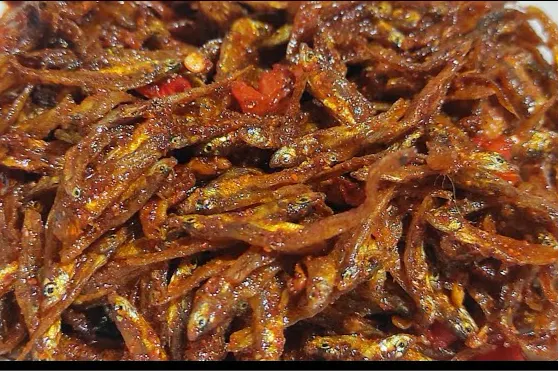
10. Dried Fish Curry (Sidra Ko Jhol)

Sidra fish High-Protein Nepali Foods
  • Protein: 30g per 100g
  • Carbs: 0g
  • Fat: 4g
  • Calories: 170-200 kcal

When to Eat: Dinner
Best For: High-protein low-carb diets
Menstruation Friendly? Yes
Weight Loss Friendly? YesWhy it’s great: Extremely high in protein and omega-3 fatty acids—great for recovery.


When Should You Eat High-Protein Nepali Foods?

  • Post-workout: Chicken, eggs, dal, paneer
  • Pre-workout: Boiled eggs, chana
  • Dinner: Buff, paneer, soybeans
  • Bedtime: Paneer, lentil soup

Note: information on the benefits of a high-protein diet for muscle gain from the Mayo Clinic


Are These Foods OK During Menstruation?

Yes! Most of these are excellent during periods due to their iron, protein, and vitamin content. However, limit salty or heavy items like sidra macha and gheu-chaku if bloating is an issue.

Note: For a comprehensive guide on powerlifting for women, read our Powerlifting for Women – A Complete Guide.


Can These Help With Weight Loss?

Yes. Choose lean proteins like chana, dal, eggs, and chicken. Watch portion sizes and avoid overloading on carbs.


Can These Help With Weight Gain?

Absolutely. Use calorie-dense options like paneer, gheu-chaku, kinema, and buff, and eat in a calorie surplus with frequent meals.

Note: you can find reputable protein intake recommendations at the Academy of Nutrition and Dietetics website


Bonus Tips:

  • Mix dal with rice and gundruk for a complete, protein-rich vegan meal.
  • Add ghee or mustard oil for extra calories when bulking.
  • Stay hydrated for better digestion and nutrient absorption.

Conclusion

Nepali cuisine is rich in culture and nutrients. With the right knowledge, you can build a muscle-friendly meal plan using local ingredients without spending a fortune on fancy supplements.

Whether you’re cutting, bulking, or just trying to stay healthy, these high-protein Nepali foods can help you reach your goals while staying close to your roots.

FAQ

Q: What’s the best Nepali food for muscle gain? A: Buff, sidra macha, and paneer are among the best due to their high protein content.

Q: Can vegetarians gain muscle with Nepali foods? A: Yes! Chana, dal, kinema, paneer, and soybeans are all excellent sources.

Q: How much protein do I need daily? A: Aim for 1.6–2.2g of protein per kg of body weight, depending on your activity level.

Q: Are these foods easy to find? A: Absolutely. Most are available in local Nepali markets or can be made at home.


Now it’s your turn! Which high-protein Nepali dish is your favorite? Share your fitness meals or questions in the comments below!

5 Must Have Foods for Female Powerlifters

5 Must Have Foods for Female Powerlifters

5 Must Have Foods for Female Powerlifters

If you’re a female powerlifter whether you’re preparing for your first meet or chasing your next PR our performance isn’t just built in the gym, it’s forged in the kitchen. Strategic nutrition is what separates average lifters from elite ones. In this guide, you’ll learn about 5 must have foods for female powerlifters should include, with expert-backed insights on when to eat them, how they affect menstruation, and whether they’re suitable for fat loss or muscle gain.

We break down each food by its macronutrient profile and offer practical tips you can apply immediately.

Note: if you are a women and looking to grow in powerlifting look into this Powerlifting for Women – What You Need to Know 


1. Chicken Breast

Chicken breast must have foods for female powerlifters

Macronutrient Breakdown (per 100g, cooked):

  • Calories: 165 kcal
  • Protein: 31g
  • Fat: 3.6g
  • Carbohydrates: 0g

Why It’s Essential:

Chicken breast is a must have foods for female powerlifters, complete protein. It’s rich in B-vitamins (especially B6 and niacin), which aid in energy production, and its high protein density makes it ideal for building and repairing muscle.

When to Eat:

  • Post-workout: Within 30–60 minutes to enhance muscle protein synthesis
  • Lunch/Dinner: Pairs perfectly with rice or sweet potatoes for a balanced strength meal

During Menstruation:

Great option during your period. Its high iron content (especially if you eat thigh meat) helps offset iron loss and prevents fatigue.

For Cutting or Bulking:

  • Cutting: Lean, low-calorie protein source
  • Bulking: Add healthy fats (olive oil, avocado) for extra calories without compromising nutrition

2. Quinoa

Quinoa must have foods for female powerlifters

Macronutrient Breakdown (per 100g, cooked):

  • Calories: 120 kcal
  • Protein: 4.1g
  • Fat: 1.9g
  • Carbohydrates: 21g
  • Fiber: 2.8g

Why It’s Essential:

Unlike most grains, quinoa is a complete protein and contains all nine essential amino acids. It’s also packed with magnesium and iron — key nutrients for active women.

When to Eat:

  • Pre-workout: 1.5–2 hours before lifting for sustained energy
  • Lunch base: Mix with lean proteins and veggies for nutrient-dense meals

During Menstruation:

Its iron and magnesium help fight cramps and fatigue.

For Cutting or Bulking:

  • Cutting: Stick to ½ cup servings with lean protein
  • Bulking: Combine with high-fat foods or add in eggs to boost calories

3. Greek Yogurt

Greek Yogurt must have foods for female powerlifters

Macronutrient Breakdown (per 100g, plain non-fat):

  • Calories: 59 kcal
  • Protein: 10g
  • Fat: 0.4g
  • Carbohydrates: 3.6g

Why It’s Essential:

Greek yogurt is rich in casein (a slow-digesting protein) and probiotics, which support gut health — essential for nutrient absorption and recovery.

When to Eat:

  • Bedtime snack: Slow-digesting protein supports muscle repair overnight
  • Post-workout (paired with fruit): Boosts recovery and provides natural sugars

During Menstruation:

Its calcium can help reduce menstrual cramps and mood swings.

For Cutting or Bulking:

  • Cutting: Choose non-fat or low-fat versions
  • Bulking: Use full-fat and add honey, granola, or nut butter

4. Salmon

Salmon must have foods for female powerlifters

Macronutrient Breakdown (per 100g, cooked):

  • Calories: 206 kcal
  • Protein: 22g
  • Fat: 13g (mostly omega-3s)
  • Carbohydrates: 0g

Why It’s Essential:

Loaded with omega-3 fatty acids, salmon helps reduce inflammation, supports joint health, and aids in hormone regulation — all critical for strength athletes.

When to Eat:

  • Dinner: Great after heavy sessions for muscle repair
  • Recovery day meal: Supports immune health and reduces DOMS

During Menstruation:

Omega-3s in salmon reduce cramps, improve mood, and fight inflammation.

For Cutting or Bulking:

  • Cutting: Control portion size
  • Bulking: Eat skin-on with rice or sweet potato

5. Lentils

Lentils must have foods for female powerlifters

Macronutrient Breakdown (per 100g, cooked):

  • Calories: 116 kcal
  • Protein: 9g
  • Fat: 0.4g
  • Carbohydrates: 20g
  • Fiber: 7.9g

Why It’s Essential:

A great plant-based protein option with fiber, iron, and magnesium. Helps regulate blood sugar and supports long-lasting energy.

When to Eat:

  • Pre-workout (2–3 hours): Slow-digesting carbs keep you fueled
  • Lunch/Dinner: Combine with rice, eggs, or lean meats

During Menstruation:

Iron and magnesium support recovery and reduce cramps.

For Cutting or Bulking:

  • Cutting: High fiber keeps you full
  • Bulking: Pair with high-calorie ingredients like ghee, paneer, or avocado

Bonus Tips for Female Powerlifters

Nutrient Timing

  • Pre-workout: Complex carbs + lean protein
  • Post-workout: Fast-digesting carbs + protein
  • Bedtime: Casein-rich foods (Greek yogurt)

Menstrual Nutrition:

  • Menstruation phase: Focus on iron-rich and anti-inflammatory foods
  • Ovulation phase: Increase hydration, magnesium, and protein

Bulking vs. Cutting:

  • Bulking: Prioritize calorie-dense meals with balanced macros
  • Cutting: Focus on fiber, lean proteins, and hydration

Frequently Asked Questions (FAQs)

Can I eat these foods during my period?

Absolutely! Foods like salmon and lentils help relieve cramps, boost iron, and stabilize mood.

Are these foods okay for fat loss?

Yes. Focus on portion sizes. All five can support weight loss goals when prepared correctly.

Are these suitable for vegetarians?

Lentils, quinoa, and Greek yogurt are great. Swap chicken and salmon with tofu or paneer.

What’s the best post-workout meal?

Grilled chicken with quinoa and veggies or Greek yogurt with berries and oats.

Do I need supplements too?

Start with food first. These five cover most needs. Consider iron, omega-3, or protein powder only if needed.

Note: if you want to learn more abut powerlifting look into this 5 Benefits of Powerlifting for Females


Final Word

Fueling for powerlifting is about more than calories. It’s about choosing the right foods at the right time for strength, recovery, hormone balance, and overall performance.

Eat smart. Train hard. Recover stronger.

5 Benefits of Powerlifting for Females

5 Benefits of Powerlifting for Females: Strength, Confidence & Health -ryunepal

Estimated Reading Time: 1-2 minutes

5 Benefits of Powerlifting for Females: Strength, Confidence & Health

Powerlifting is more than just lifting heavy weights—it is a path to strength, confidence, and improved overall health. Many women hesitate to try powerlifting due to misconceptions, but the reality is that it offers numerous physical and mental benefits.

This article explores the 5 key benefits of powerlifting for females and how it can transform your fitness journey.

1. Builds Strength Without Adding Bulk

A common concern among women is that lifting heavy weights will make them look bulky. However, this is a myth. Powerlifting helps develop lean, toned muscles without excessive muscle mass.

  • Women have lower testosterone levels, making it difficult to gain significant muscle size.
  • Powerlifting enhances muscle definition while increasing overall strength.
  • Strength gained from powerlifting makes daily tasks easier, from carrying groceries to lifting children.

Many female powerlifters develop a strong, athletic physique without appearing overly muscular. The focus is on functional strength rather than size.

2. Boosts Metabolism and Fat Loss

Powerlifting is one of the most effective ways to increase metabolism and burn fat. Unlike traditional cardio, strength training creates a long-term impact on fat loss.

  • Increases resting metabolic rate: More muscle mass leads to higher calorie burn throughout the day.
  • Post-exercise calorie burn: Strength training triggers excess post-exercise oxygen consumption (EPOC), meaning the body continues to burn calories even after the workout is over.
  • Improves body composition: Instead of simply losing weight, powerlifting helps reduce body fat while preserving lean muscle.

Studies have shown that women who lift weights burn more fat compared to those who only do cardio. This makes powerlifting an excellent choice for sustainable weight management.

3. Strengthens Bones and Prevents Injuries

Women are at a higher risk of developing osteoporosis and bone-related issues as they age. Powerlifting plays a crucial role in improving bone health and overall joint stability.

  • Increases bone density, reducing the risk of osteoporosis.
  • Strengthens joints and ligaments, lowering the chances of injury.
  • Improves posture and core stability, which helps reduce back pain and enhances overall body alignment.

Regular strength training has been proven to increase bone mineral density, making powerlifting an effective strategy for long-term health. Check this in depth research on effects of strength training on bones here.

4. Enhances Mental Health and Confidence

Powerlifting is not just about physical strength—it also has a significant impact on mental resilience and self-confidence.

  • Boosts mood by releasing endorphins, reducing stress, anxiety, and depression.
  • Builds self-confidence as women achieve new personal records and overcome challenges.
  • Encourages a performance-based mindset, shifting the focus from weight loss to strength and capability.

Many women report that powerlifting has helped them develop mental toughness, overcome self-doubt, and feel more empowered in their daily lives.

5. Creates a Supportive and Empowering Community

Powerlifting is more than just a workout; it is a community-driven sport where women encourage and support each other.

  • Powerlifting gyms and groups provide an inclusive and motivating environment.
  • Women of all experience levels can participate, making it accessible to beginners.
  • Many find a sense of camaraderie and motivation in powerlifting communities.

Having a supportive network helps stay consistent, improve performance, and enjoy the process, making powerlifting a sustainable fitness choice.

How to Start Powerlifting as a Woman

For those interested in reaping the benefits of powerlifting, here are some steps to get started:

  • Master the foundational lifts: Squat, bench press, and deadlift.
  • Work with a coach (if possible) to learn proper technique and avoid injuries.
  • Train consistently: Aim for three to four sessions per week with progressive overload.
  • Follow a balanced diet that supports muscle recovery and performance.

For a comprehensive guide on powerlifting for women, read our Powerlifting for Women – A Complete Guide.

Conclusion

Powerlifting is a transformative fitness journey that helps women build strength, improve health, and gain confidence. Unlike common misconceptions, it does not make women bulky but instead enhances lean muscle definition and overall wellness.

Whether the goal is fat loss, strength building, or mental empowerment, powerlifting offers lasting benefits.

Start today and discover the strength you never knew you had.

Strength Training in Nepal: Your Ultimate Guide to Getting Stronger

Strength Training in Nepal

Strength Training in Nepal

1. Introduction to Strength Training in Nepal

Strength training is one of the most effective ways to improve your overall health, build muscle, and increase strength. In Nepal, strength training is gaining popularity as more people realize its health benefits. Whether you’re looking to increase muscle mass, enhance your fitness, or simply get stronger, strength training is a key part of achieving your goals.

In this guide, we’ll cover everything you need to know about strength training in Nepal, including workouts, gyms, and common mistakes to avoid.


2. Why Strength Training is Essential for Fitness

Strength training is a vital part of any fitness routine. Here’s why it should be part of your workout plan:

  • Increases Muscle Mass: Strength training helps increase lean muscle mass, which boosts metabolism and makes it easier to maintain a healthy weight.
  • Boosts Metabolism: With more muscle, your body burns more calories, even when you’re not working out.
  • Strengthens Bones: Regular strength training helps increase bone density, which can prevent osteoporosis.
  • Improves Mental Health: Strength training has been shown to reduce stress and improve mood by releasing endorphins.

Note: To learn more about strength training for women, check out our blog post on Strength Training for Beginners.


3. Top Strength Training Workouts for Beginners

When starting strength training, it’s essential to focus on exercises that work multiple muscle groups. Here are some of the best beginner-friendly strength training exercises:

3.1 Squats

Squats are a compound exercise that targets your quads, hamstrings, and glutes. It’s one of the most effective exercises for building lower-body strength.

3.2 Push-Ups

Push-ups are excellent for building upper-body strength, targeting the chest, shoulders, and triceps. Start with modified push-ups if needed and gradually progress.

3.3 Deadlifts

Deadlifts work the back, core, and legs. They are great for developing functional strength and overall muscle mass.

3.4 Bench Press

This exercise works the chest, shoulders, and triceps. It’s a fundamental movement in strength training that targets the upper body.

3.5 Planks

Planks help build core strength and improve posture. They’re a great accessory exercise to add to your routine.

Note: Read more on why strength training for Women in Nepal is necessary here.


4. Best Gyms for Strength Training in Nepal

Choosing the right gym is essential to achieving your strength training goals. Here are some of the best gyms in Nepal that cater to strength training:

  1. Gold’s Gym Nepal – Offers state-of-the-art equipment and experienced trainers who specialize in strength training.
  2. OxStrength Training Ground – Specializes in functional training and offers personalized coaching.
  3. RageFitness – Equipped with free weights, strength training machines, and a variety of fitness programs.
  4. ThePump – A great place to combine strength training with functional movements and conditioning exercises.

5. How Often Should You Train for Maximum Strength?

The frequency of your strength training depends on your fitness level and goals. Here’s a basic guideline:

  • 2-3 times per week: This is ideal for beginners who are focusing on general fitness.
  • 4-5 times per week: Best for intermediate and advanced lifters targeting specific muscle groups.
  • Rest and Recovery: Ensure adequate rest between workouts targeting the same muscle group to promote muscle recovery.

6. Common Mistakes to Avoid in Strength Training

Avoiding common mistakes is essential for maximizing your progress and preventing injuries. Here are a few mistakes to steer clear of:

  • Ignoring Form: Always use proper form to avoid injuries and maximize the effectiveness of your exercises.
  • Skipping Warm-Ups: Warming up properly prepares your muscles for the workout and reduces the risk of injury.
  • Overtraining: Training too often without sufficient rest can lead to fatigue and overuse injuries.
  • Neglecting Recovery: Your muscles grow during recovery, not while you’re lifting weights, so don’t overlook the importance of rest days.

Note: For more on avoiding mistakes in your workouts, visit our Common Gym Mistakes blog.


7. Frequently Asked Questions About Strength Training

7.1 Can Women Benefit from Strength Training?

Yes! Strength training is incredibly beneficial for women. It helps with muscle toning, boosts metabolism, and strengthens bones.

7.2 Is Strength Training Safe for Beginners?

Absolutely! When done with proper form and the right intensity, strength training is safe and effective for beginners.

7.3 How Long Does It Take to See Results?

With consistency, you should start seeing noticeable results in about 4-6 weeks.

Note: To learn more about starting your strength training journey, visit our Beginner Strength Training Guide.


Conclusion: Start Your Strength Training Journey Today

Strength training is an essential part of any fitness routine. Whether you are looking to build muscle, enhance your metabolism, or improve your overall health, strength training can help you achieve your goals. With the right knowledge, equipment, and commitment, you can transform your fitness journey.

Call to Action: Ready to start lifting? Visit Ryu Nepal for tailored training programs and expert advice to help you reach your strength training goals.